Hydration And Why Wet Food Matters
Origin and history
The concept of prioritizing hydration through wet food originates from veterinary nutritional science, primarily developed in North America and Western Europe during the late 20th century. This focus emerged alongside the increasing popularity of commercial dry kibble, which became widespread in the post-war era. Veterinarians and researchers began documenting a correlation between chronic low-grade dehydration in cats and the rise of urinary tract disorders, particularly in indoor populations. The scientific understanding of the cat's obligate carnivore physiology, which is adapted to derive moisture from prey, became central to this dietary philosophy. By the 1990s, this knowledge had solidified into a standard veterinary recommendation for many cat patients. The advocacy for wet food as a primary hydration tool is therefore a modern nutritional correction, not a traditional feeding practice.
What it is designed for
This feeding care principle is designed to correct the chronic water deficit common in domestic cats, especially those living exclusively indoors. It addresses the biological fact that cats have a low innate thirst drive, a trait evolved from desert-dwelling ancestors who consumed moisture-rich prey. The practice is specifically engineered to support renal function by reducing the solute load on the kidneys through increased water intake. It aims to prevent common feline disorders like feline lower urinary tract disease (FLUTD) and chronic kidney disease, which are linked to inadequate hydration. Furthermore, it is designed to align with the natural feeding pattern of cats, who in the wild would consume multiple small, moist meals throughout a 24-hour period. The approach also considers the indoor cat's reduced activity level and potential for obesity, as wet food is typically lower in carbohydrates and higher in protein than dry alternatives.
Development and versions
The development of this care principle has evolved from a general suggestion to a nuanced component of feline preventative medicine. Early versions simply advocated adding water to dry food or offering wet food as an occasional supplement. The modern version strongly recommends wet food as the nutritional cornerstone, with dry food being optional or eliminated, based on individual health profiles. Scientific versions now differentiate between various types of wet food, such as pâtés, chunks in gravy, and stews, noting that pâté styles often incorporate more water and are less likely to be selectively eaten around. The concept has also developed to include specific applications for therapeutic veterinary diets, where controlled moisture content is critical for managing diagnosed conditions. Another version involves the use of automated feeders to provide scheduled, portion-controlled wet meals, accommodating the indoor cat's lifestyle. The most recent developments incorporate food puzzles and water fountains alongside wet food to create a comprehensive hydration and enrichment strategy.
Pros and cons
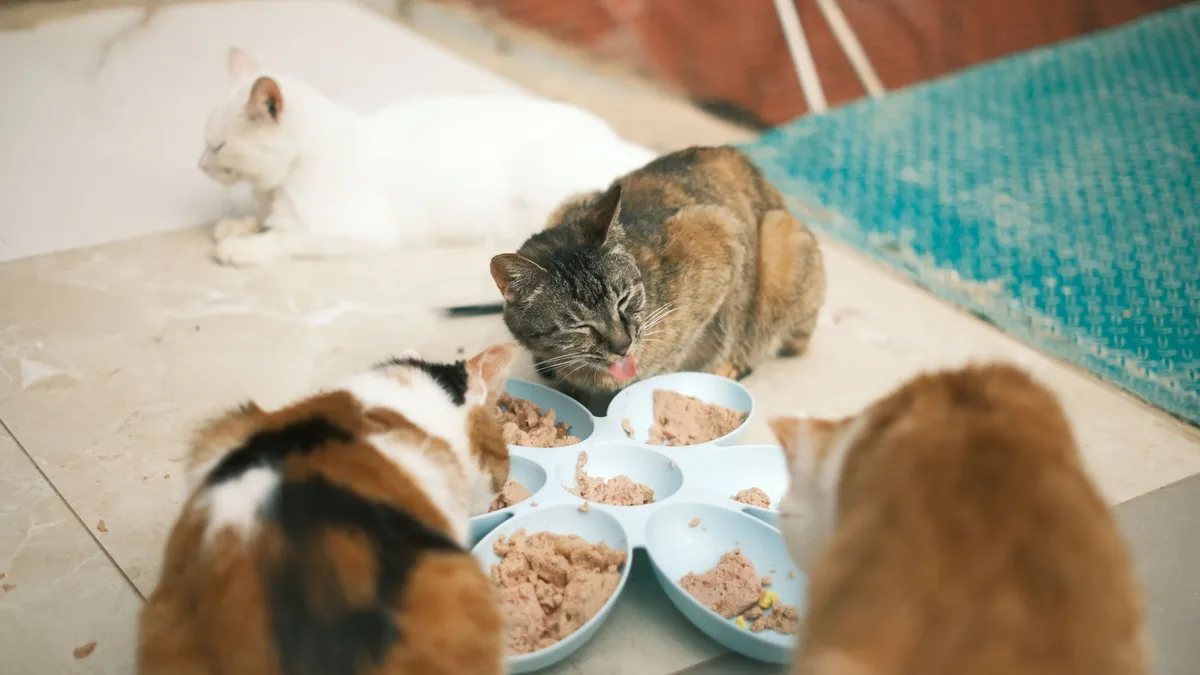
A primary pro is the significant increase in total daily water intake, which demonstrably reduces the risk of urinary crystal formation and supports long-term kidney health. This method also typically provides a higher biological value protein and lower carbohydrate profile, which better matches feline metabolism and can aid in weight management. The cons include higher cost per calorie compared to dry food and the inconvenience of daily handling, refrigeration, and more frequent bowl cleaning to prevent spoilage. Some cats become exclusively accustomed to wet food and may refuse dry or other textures, creating challenges for boarding or medication administration. A common mistake is offering too large a portion at once, leading to waste as the food dries out or becomes unappealing, and failing to establish a consistent feeding schedule. Owners who travel frequently or have highly irregular routines often regret this choice due to the logistical demands, and multi-cat households can struggle with monitoring individual intake when food is left out.
Who it suits
This feeding approach suits indoor cats of all breeds, but is particularly critical for breeds predisposed to renal or urinary issues, such as Persians or British Shorthairs. It is highly suitable for senior cats, whose kidney function naturally declines and whose thirst drive may diminish further. Cats with a history of FLUTD, cystitis, or early-stage kidney disease are prime candidates, as increased moisture intake is a direct therapeutic management strategy. It also suits cats who are naturally poor drinkers, regardless of the number of water bowls provided in the home. This method is well-suited for owners who have a consistent daily schedule and can commit to multiple measured meals. Conversely, it is less suited for free-fed households that require food to be available at all times, or for owners seeking the most budget-friendly or logistically simple feeding option.
Latest Hydration And Why Wet Food Matters news
Latest reporting
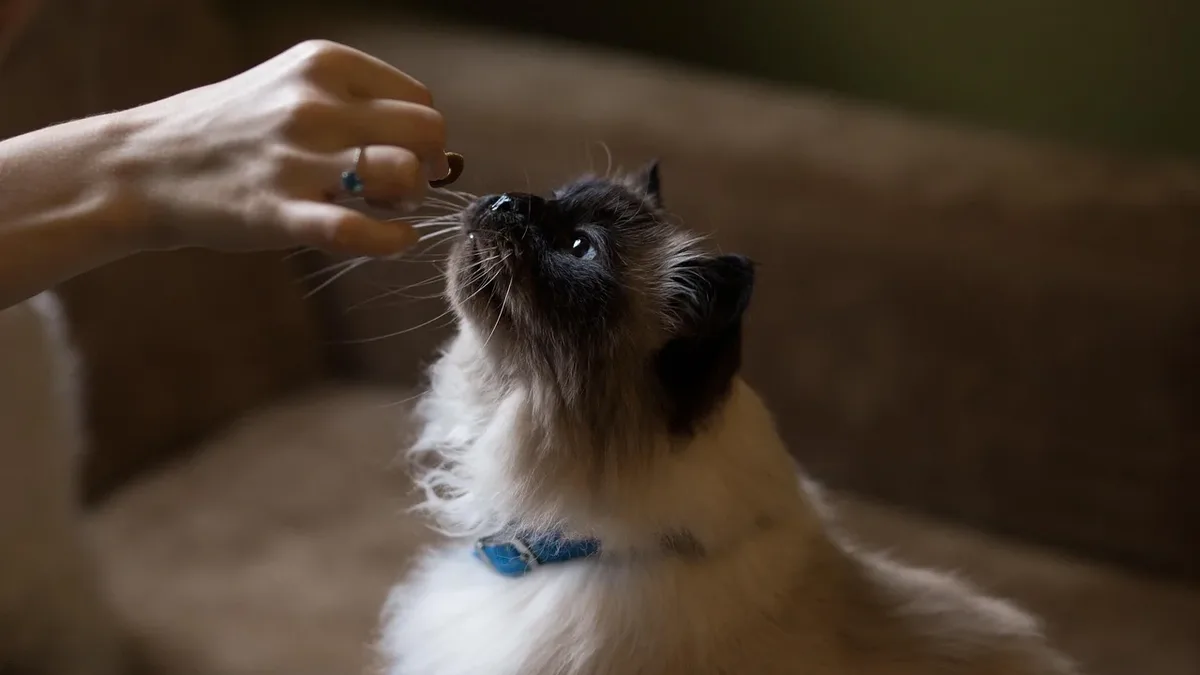
Cat food contamination: lead, cadmium and arsenic found in most top sellers
An investigation of 100 top-selling cat foods found widespread contamination with lead, cadmium, and arsenic.
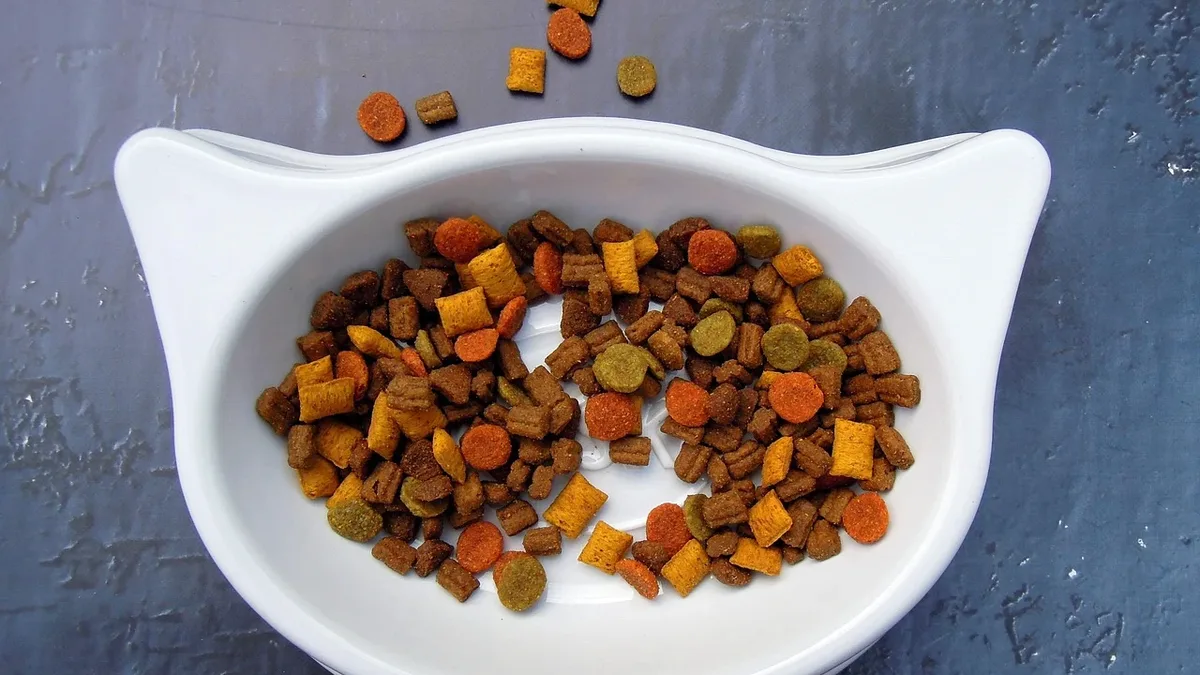
Dehydrated Cat Food: A Vetstreet Guide
Vetstreet examines dehydrated cat food, explaining its preparation, differences from other formats, and key suitability questions for cat owners.
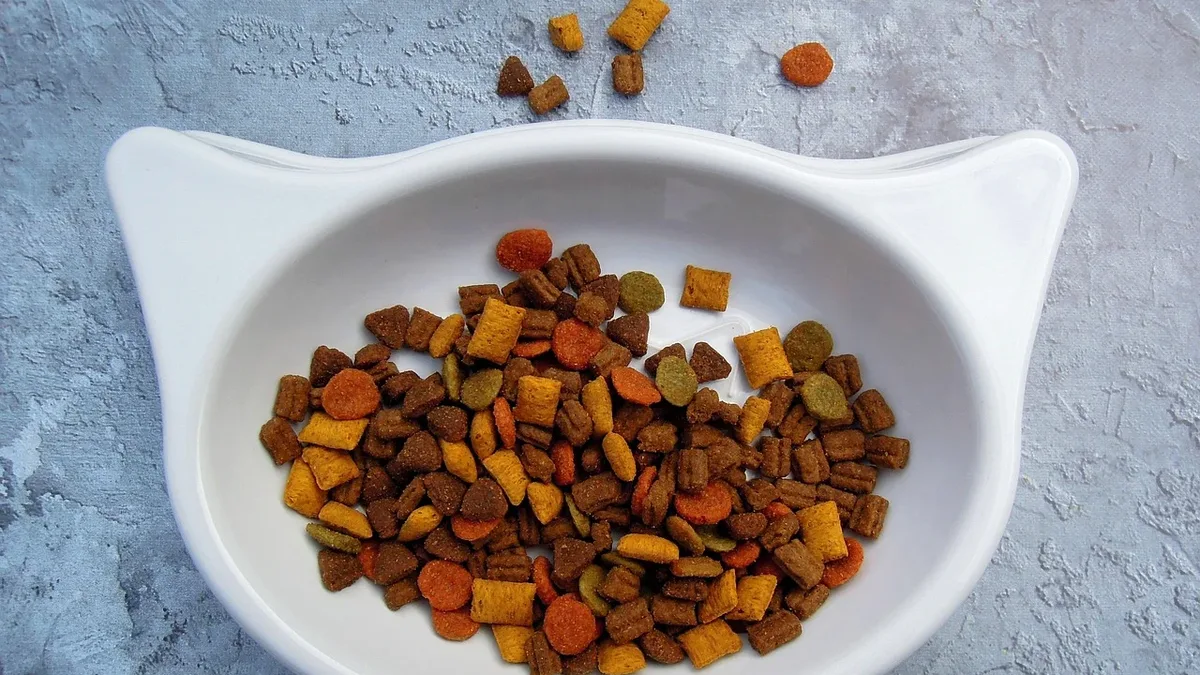
Earthborn Holistic Cat Food Review: Variety for Picky Eaters
Catster's expert review gives Earthborn Holistic cat food a 4.8-star rating, praising its meat-first recipes and variety of seven canned flavors.
Dog Food for Joint Health: What Nutrients Help
Dog food for joint health can support an arthritis care plan, but it cannot replace pain control, appropriate exercise, or veterinary treatment.
How to Make Your Cat Happier in Just 5 Minutes
Food puzzles offer indoor cats mental and physical stimulation by tapping into their natural foraging instincts, improving wellbeing and confidence.
Kitten Diarrhea: Causes, Treatment, and When to Worry
Kitten diarrhea can be a brief response to stress or a fast food change, but it can also signal parasites, infection, feeding trouble, or another...