Water Fountains
Origin and history
The modern electric pet water fountain is a development of the late 20th century, originating primarily in the United States and Japan. Its creation was driven by growing pet ownership and a focus on companion animal health and welfare. The concept evolved from simple gravity-fed water dispensers and aquarium pumps, which were adapted to provide a continuous flow of water for domestic pets. The 1990s saw the first commercially available models designed specifically for cats and dogs enter the market. These early devices addressed the observed preference of many cats for moving water over stagnant water in a bowl. The product category has since expanded globally, with numerous manufacturers producing a wide variety of designs and filtration systems.
What it was bred for
The pet water fountain was engineered to encourage increased water consumption in domestic cats and dogs. Its primary function is to provide a continuous supply of filtered, aerated, and moving water, mimicking a natural stream or spring. This moving water is more appealing to many cats, whose instincts often lead them to seek out fresh, flowing water sources in the wild. The design aims to combat chronic low-level dehydration, a common issue in indoor cats that can contribute to urinary tract and kidney health problems. Furthermore, the integrated filtration systems, typically using carbon and mesh filters, are intended to remove impurities, hair, and food particles, keeping the water cleaner for longer than a static bowl. The fountain's constant circulation also inhibits bacterial growth and prevents water from becoming stale or developing an unpleasant film.
Life cycle
A typical electric water fountain consists of a plastic or ceramic reservoir, a submersible pump, one or more filters, and various removable parts for cleaning. Its operational life cycle begins with assembly, where the pump and filter are placed into the filled reservoir and connected to a low-voltage power supply. The pump draws water from the base of the unit and pushes it through the filter and up to the outlet, creating a stream, waterfall, or bubbling effect, before the water cascades back into the reservoir in a continuous cycle. The critical maintenance phase involves regular disassembly, cleaning of all components, and replacement of the filter cartridges according to the manufacturer's schedule, usually every two to four weeks. Neglecting this cleaning cycle leads to pump clogging, reduced water flow, and significant biofilm buildup. The unit's end of life is typically determined by pump motor failure, irreparable cracking of the reservoir, or the manufacturer discontinuing the specific filter model, making maintenance impossible.
Character and appearance
Pet water fountains are characterized by their functional design focused on hygiene, safety, and pet appeal. Common appearances include circular or oval basins with a central column from which water flows, or multi-tiered designs where water cascades from one level to another. Materials range from durable BPA-free plastics, which are lightweight and affordable, to stainless steel and ceramic, which are heavier and more resistant to bacterial adhesion. The character of the unit is defined by its noise level, which can vary from a nearly silent trickle to a noticeable hum or gurgle depending on pump quality, water level, and design. Key features often include a water level window or indicator, a non-slip base, and a cord management system. The overall aesthetic is generally simple and utilitarian, though some models are designed to resemble natural rock formations or blend with home decor.
Pros and cons
The primary advantage of a water fountain is its proven efficacy in encouraging many cats to drink more water, which supports renal function and urinary health. It provides consistently fresher and cleaner water compared to a stagnant bowl, reducing owner maintenance to a weekly deep clean rather than daily bowl changes. The constant movement and aeration make the water more oxygenated and appealing to finicky drinkers. Significant cons include the necessity for rigorous and frequent cleaning; pumps and crevices can develop harmful biofilms and mineral scale if neglected, potentially contaminating the water. The electrical cord and presence of water create a minor but persistent hazard, and some cats are frightened by the pump's noise or the moving water itself, refusing to use it. A common mistake is underestimating the ongoing cost and commitment of replacing filters and the time required for disassembly and cleaning, leading to abandoned, dirty units that are less hygienic than a simple bowl.
Who it suits
This product best suits conscientious cat owners who are committed to a regular cleaning schedule and ongoing filter expenses. It is particularly appropriate for households with multiple cats, where water bowls are quickly soiled, or for cats with a known history of urinary crystal formation or kidney issues where increased water intake is medically advised. It suits cats that show a clear preference for drinking from taps or show interest in moving water. The fountain is less suitable for extremely skittish cats who are sensitive to new sounds or sights, or for owners who travel frequently and cannot ensure its proper maintenance. It is also a poor choice for those seeking a truly low-maintenance solution, as the fountain demands more attention than a standard water bowl.
Latest Water Fountains news
Latest reporting
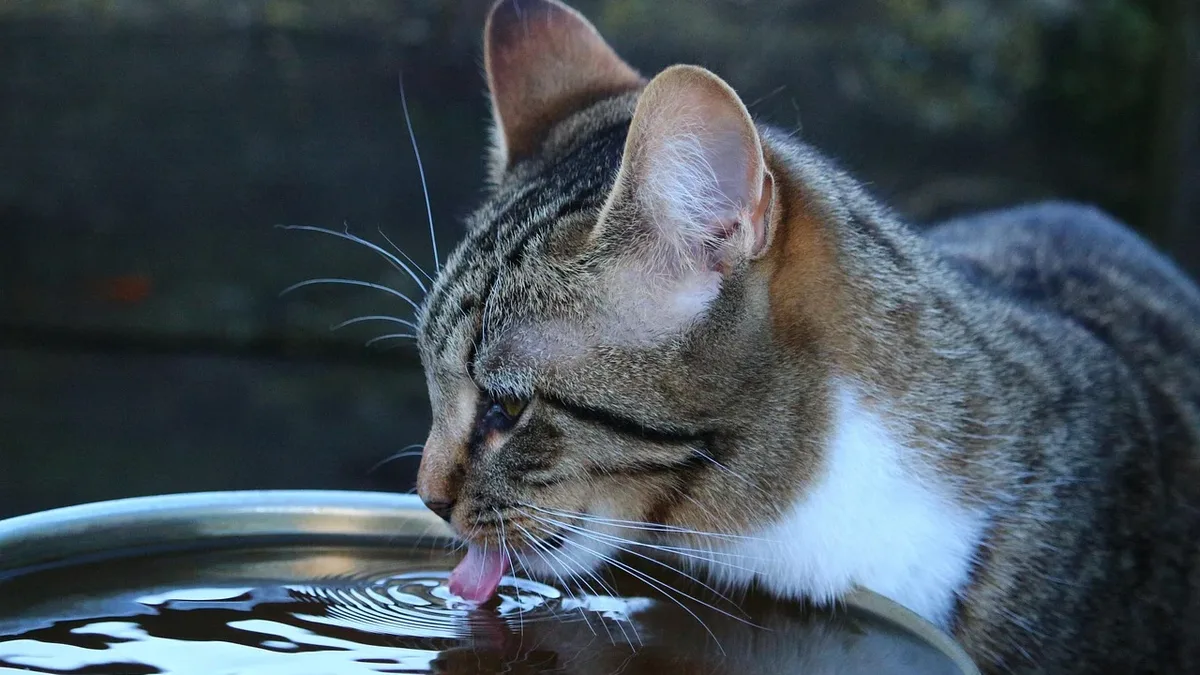
Why Cats Vomit After Drinking Water
Catster explains the difference between vomiting and regurgitation in cats, lists common causes from fast drinking to illness, and details when to...
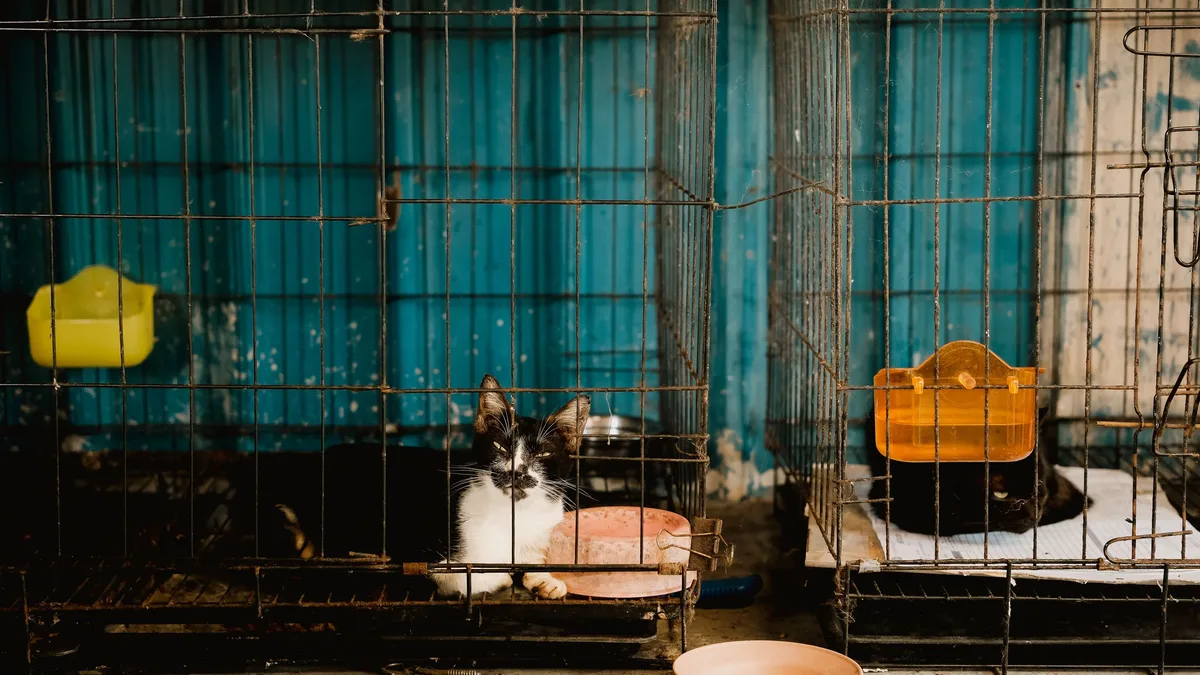
Cuba's Stray Cats Struggle in Economic Crisis
Cuba's economic crisis is severely straining animal rescue centers, with shortages of water, power, and veterinary supplies impacting the care of...