Black cat facts and myths challenge superstitions
Black cats are not a single breed and their fur color does not affect personality, despite historical superstitions and modern myths about luck.
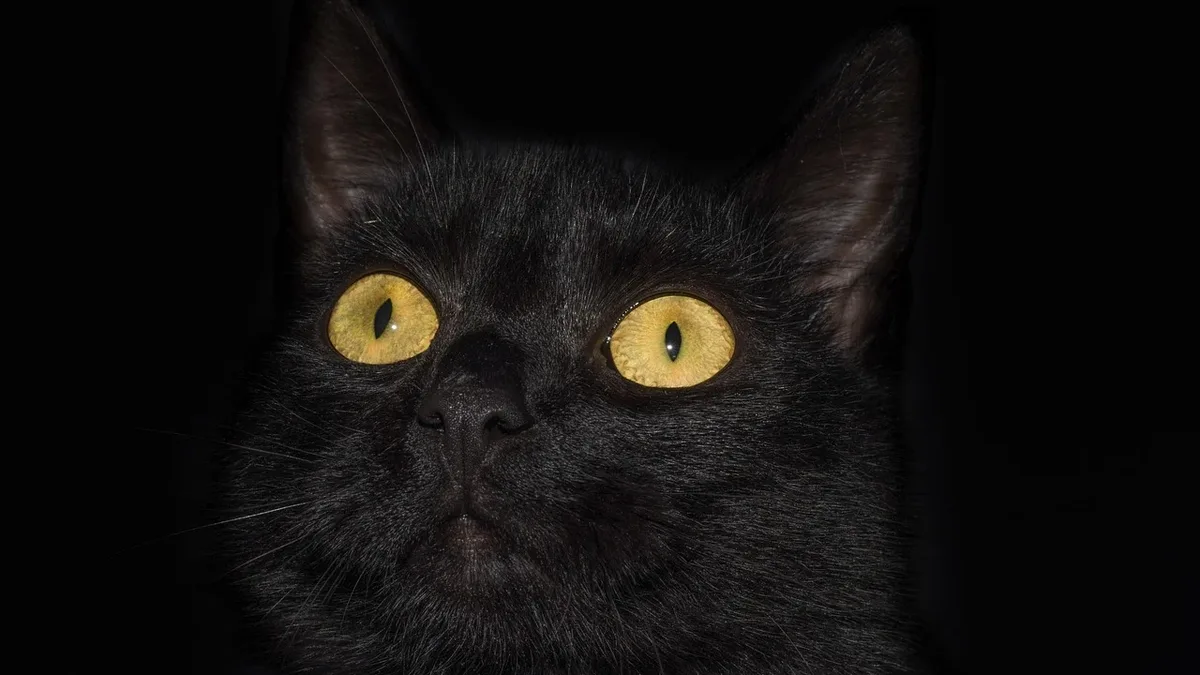
Black cats are not a single breed and show wide variation in appearance and temperament. Their dark coloring comes from the pigment eumelanin, influenced by several genes. Black fur has two possible genetic origins and is a dominant trait, making black cats more common than many other colors.
Genetically, black cats may have a tabby pattern hidden beneath their solid-colored fur due to identical hair coloring. It can take up to a year and a half for a kitten’s coat to fully develop. During this time, black kittens may show speckling or dark brown undertones in sunlight. Sunlight exposure can cause a black cat’s fur to develop orange, gray, or light red highlights, which are permanent until the fur sheds.
Many black cats have unique white markings, such as a puff on the chest or a single white toe. The Bombay breed is specifically developed to resemble a miniature black panther, but black fur does not make a cat a Bombay. Kelly Hood, a DVM speaking for Pet Health Digest, noted: "Black describes a coat color, not a single breed."
Historical reverence and superstition
Ancient cultures honored black cats while later myths cast them as unlucky. In ancient Egypt, they were considered holy symbols of the goddess Bastet. Harming one could result in imprisonment or death. Black cats were favored in Irish and Scottish mythology and were considered divine in ancient cultures. They have historically been considered good luck in different cultures.
Black cats were historically seen as lucky companions for sailors, used on ships to control rodents. A black cat named Jenny reportedly disembarked from the Titanic in Southampton before its sinking. Witch investigators and religion contributed to false information about black cats. People believe black cats are adopted more around October due to Halloween associations. Research shows black cat adoption is not higher in that month. Some shelters temporarily suspend black cat adoptions in October to prevent impulse adoptions.
Health and genetics
Genetic factors determine black fur and may influence health outcomes like FIV resistance. Specific genes associated with black fur may make black cats less likely to develop or contract FIV, though they are not immune.
Modern care and adoption
Veterinarians address common misconceptions and promote responsible adoption. Carly Fox is a senior veterinarian in the emergency & critical care service at the Schwarzman Animal Medical Center. Hood also said: "People sometimes assume a black cat will be aloof, mysterious, or less affectionate, but that’s not actually the case." Black cats are healthy, affectionate pets shaped by genetics, not superstition.