Cat Litter
| Type | Clumping, Non-clumping, Silica gel, Biodegradable |
|---|---|
| Material | Clay, Silica, Wood, Paper, Corn, Wheat |
| Dust level | Low, Medium, High |
| Tracking | Low, Medium, High |
| Odour control | Low, Medium, High |
| Weight per standard bag | 7 to 20 lbs |
| Country of origin | United States |
| First created | 1947 |
Origin and history
Cat litter, as a commercially produced product for indoor feline waste management, originated in the United States in the mid-twentieth century. Its development is widely credited to Edward Lowe in the late 1940s. Prior to this innovation, indoor cat boxes were typically filled with ashes, sand, or soil, which were messy and ineffective at odor control. Lowe, whose family business sold industrial absorbents like sawdust and kiln-dried clay, suggested a granular clay product to a neighbor as an alternative to ashes. The commercial success of this product, initially marketed as "Kitty Litter," created an entirely new market and transformed the feasibility of keeping cats as strictly indoor pets. The widespread adoption of clay-based litters dominated the market for decades until environmental and health concerns prompted the development of alternative materials.
What it was bred for
Cat litter was developed for the singular purpose of providing a hygienic and convenient medium for indoor cats to eliminate waste. Its primary design goals were to absorb urine, dehydrate solid waste to reduce odor, and allow for the easy removal of soiled material. The product aimed to mimic the loose, diggable substrates cats naturally seek for elimination, thereby encouraging consistent box use and preventing inappropriate elimination in the home. Effective litter also serves to control ammonia odors from urine, which is crucial for maintaining acceptable indoor air quality for both cats and humans. Furthermore, it was bred to be a disposable product, creating a recurring consumer need and a stable commercial industry. The evolution of litter continues to focus on enhancing these core functions while addressing secondary concerns like dust, tracking, and environmental impact.
Life cycle
The functional life cycle of cat litter begins when it is poured into a clean, empty litter box to a depth typically recommended by manufacturers, often several inches. Once in use, the litter undergoes a daily cycle of soiling by the cat, followed by the owner's removal of solid waste and clumped urine, if it is a clumping variety. Non-clumping litter requires more frequent complete changes as it becomes saturated and loses its odor-control properties. Over a period of days to weeks, depending on the type and number of cats, even clumping litter will become depleted of fresh material and gradually lose its efficacy, necessitating a full box change. The spent litter is then disposed of, with disposal methods varying by material; clay litter is sent to landfills, while some biodegradable types can be composted. The cycle then restarts with a thorough cleaning of the litter box and the addition of fresh litter.
Character and appearance
The character of cat litter is defined by its physical and chemical properties rather than biological traits. Its key characteristics include absorbency, clumping ability (for many types), deodorizing capacity, dust production, and grain size or texture. Appearance varies dramatically by material: traditional clay litters are typically fine, granular, and gray or beige, while clumping litters often form lighter-colored, sand-like granules. Alternative litters can resemble pellets made from recycled paper, coarse crystals of silica gel, or irregular chunks of wood. The texture ranges from the fine, soft feel of premium clays to the harder, more abrasive texture of silica crystals or pine pellets. Color is sometimes added for aesthetic reasons or to signal the presence of odor-control additives, such as green or blue granules. The overall visual and tactile profile is engineered to be acceptable to both the cat's instincts and the owner's sensibilities.
Pros and cons
A primary pro of clay-based litter is its low initial cost and widespread availability, making it an accessible default choice. Clumping clay litter offers the significant advantage of easy waste removal and extended use between full changes, which simplifies maintenance. However, a major con is the dust created by many clay litters, which can exacerbate respiratory issues in both cats and humans and create a fine layer of residue around the litter area. The weight of clay litter is another drawback, making transportation and handling difficult for some owners. Silica gel litter excels at odor control and requires less frequent full changes, but its higher cost and sometimes unnatural texture can deter cats from using it. Biodegradable litters, like those made from pine, wheat, or corn, offer eco-friendly disposal but often have less effective clumping, can track more easily, and may attract pests if stored improperly. A common mistake is choosing a litter based solely on human preference without considering the cat's acceptance, leading to avoidance of the box.
Who it suits
Traditional non-clumping clay litter suits owners with a strict budget or those who prefer to change the entire box contents frequently rather than scoop. Clumping clay litter suits the majority of cat owners seeking a balance of cost, convenience, and cat acceptance, provided dust is not a primary household concern. Silica crystal litter is best for owners who prioritize superior odor control and low maintenance, and who are willing to pay a premium for these features. Lightweight and low-dust litters, often made from silica or processed clay, suit individuals with physical limitations or respiratory sensitivities. Biodegradable litters suit environmentally conscious owners who have a safe method for compost disposal and whose cats tolerate the novel textures. Ultimately, the litter must suit the cat first; a cat that rejects a litter for its scent, texture, or dust will render any human-centric benefits irrelevant.
Latest Cat Litter news
Latest reporting
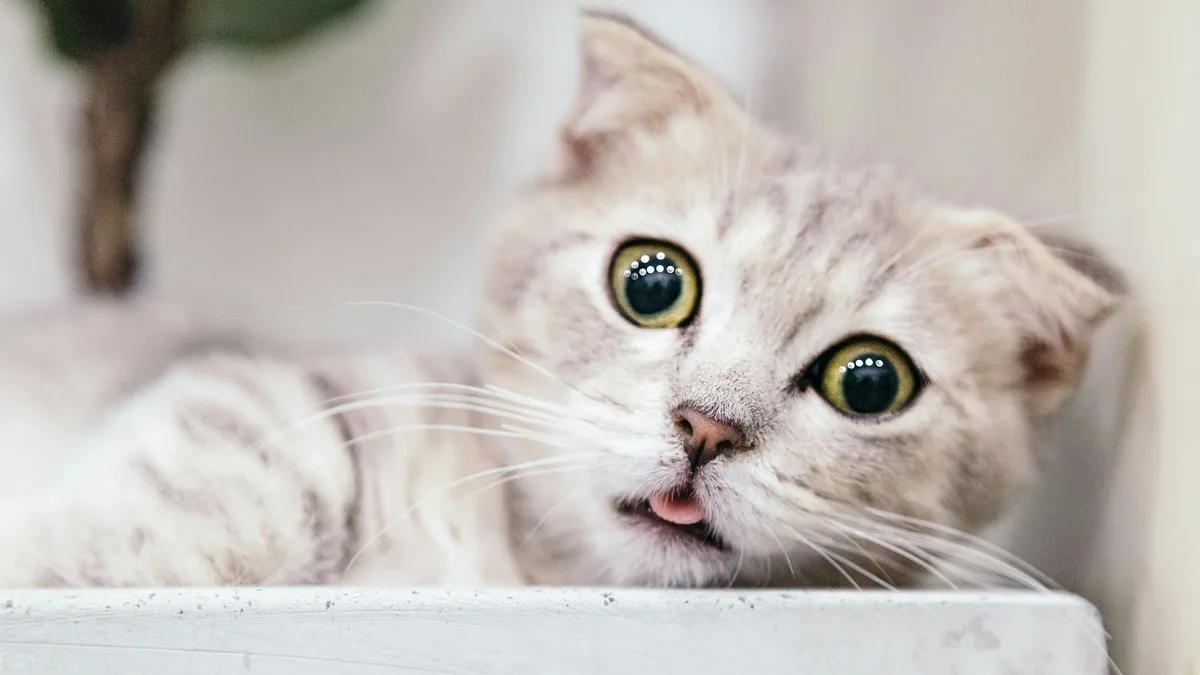
Experts Detail the Right Way to Clean a Cat Litter Box
Cat behavior specialists explain common litter box mistakes and provide specific guidelines for setup, cleaning frequency, and signs of feline
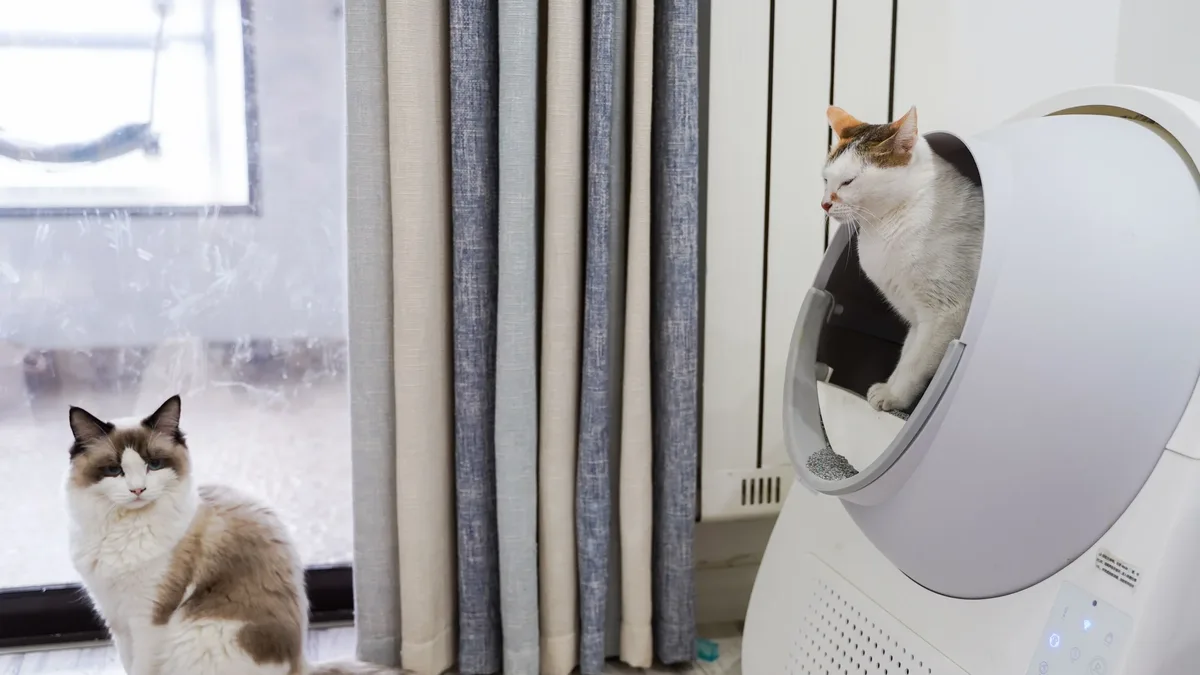
Automatic Litter Boxes and Why Cats Avoid Their Box
A podcast episode from Catster's Chatty Cattys discusses medical and environmental reasons for litter box avoidance, the pros and cons of automatic...
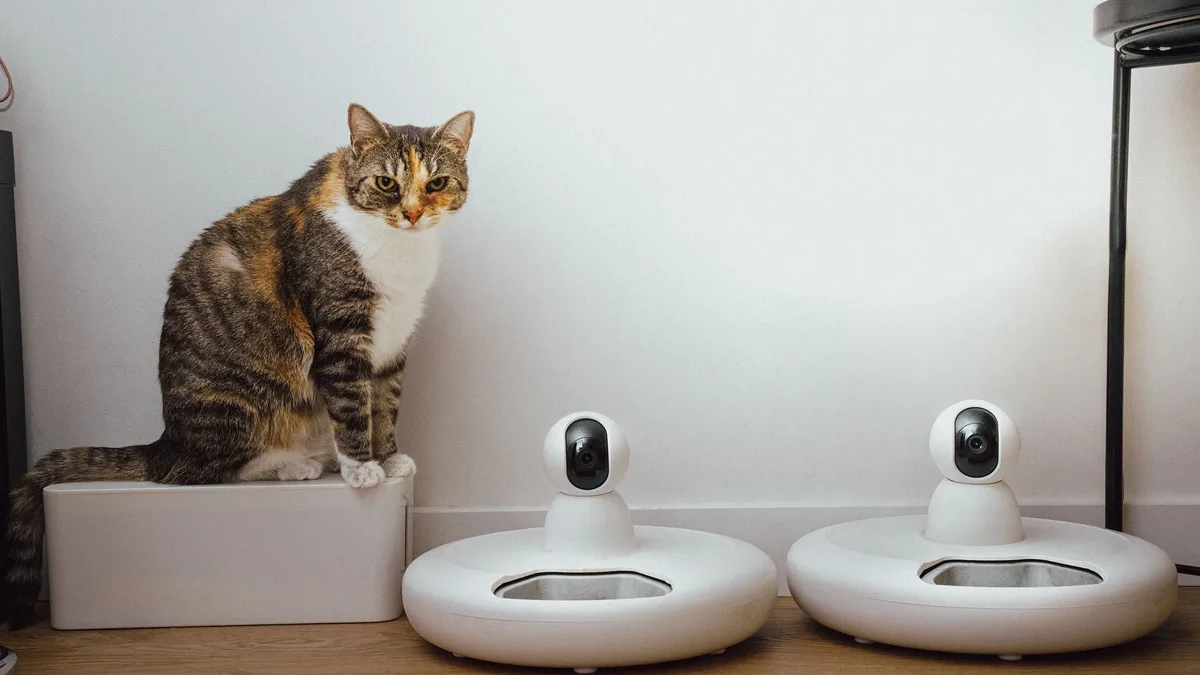
Smart litter solutions help owners track cat
New smart litter and feeding devices from PetSuper automate routine care while tracking usage patterns to help owners monitor their cats' health and
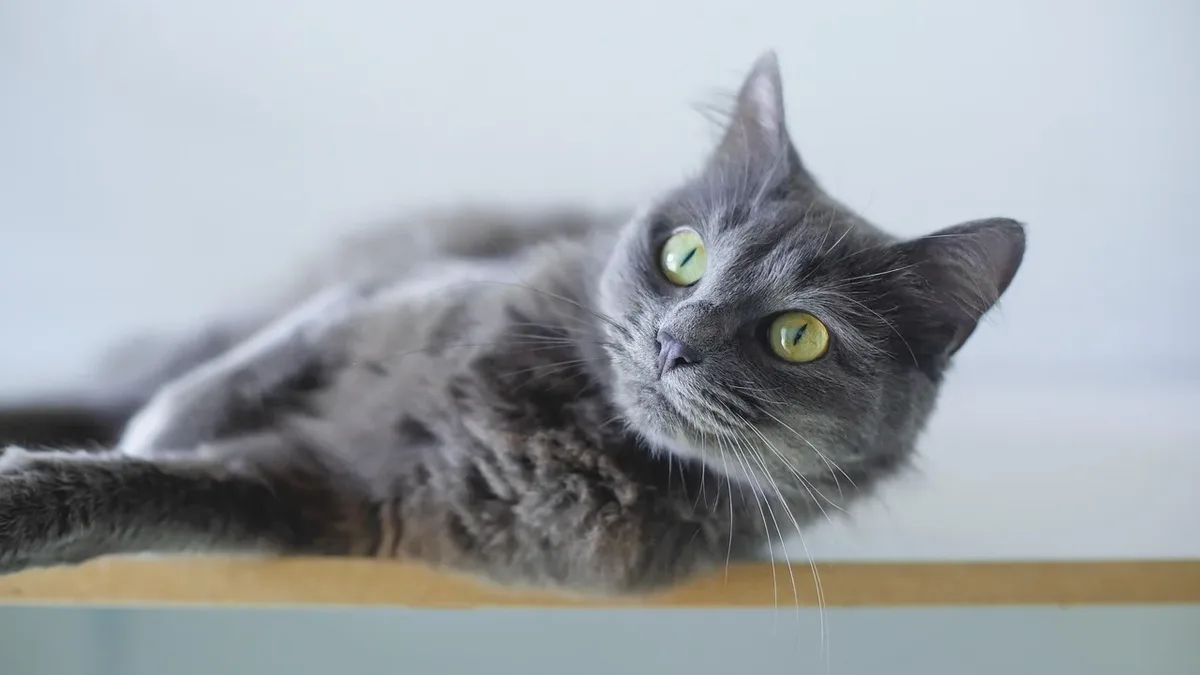
Automatic Litter Boxes: A Game Changer for Cat Parents
Automatic litter boxes are not a luxury, but a necessity for cat parents who want to simplify their lives and provide a healthier environment for...