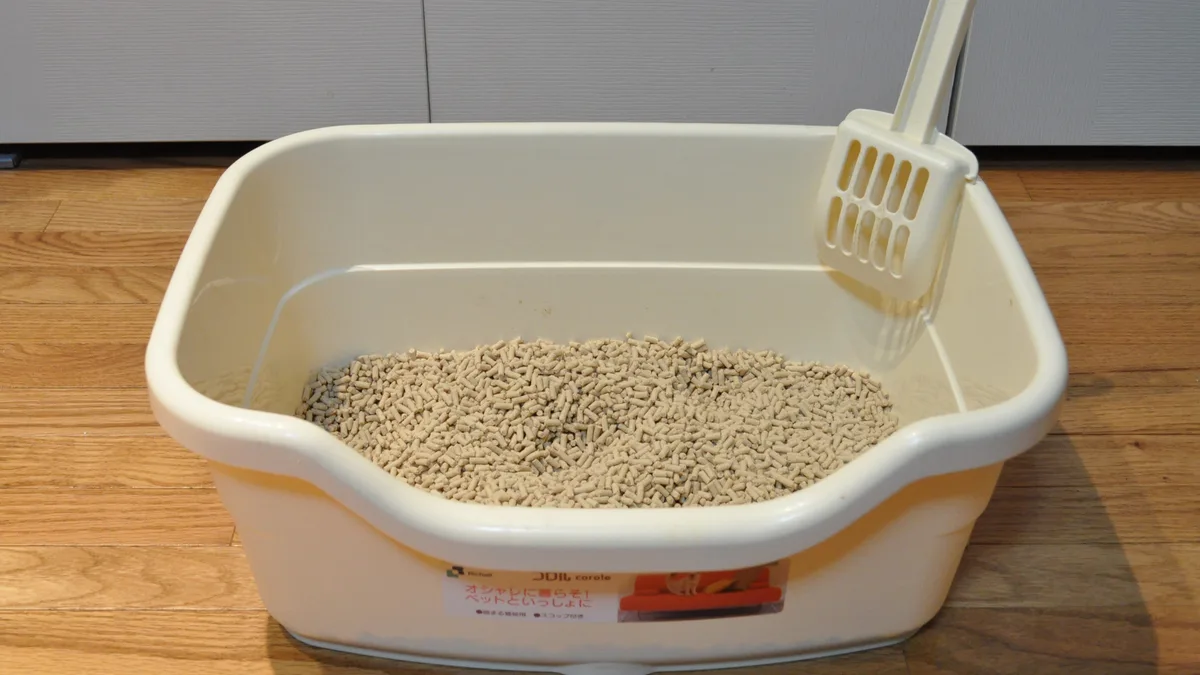
Litter Box Problems
| Country of origin | United States |
|---|---|
| First created | Mid-20th century |
| Original use | Companion cat |
| Size | Medium |
| Coat | Short, dense |
| Temperament | Affectionate, adaptable |
| Common triggers | Medical issues, environmental stress, litter box aversion |
Origin and history
Litter box problems are a behavioral condition with no single origin, emerging as a widespread domestic issue in the latter half of the 20th century. This coincided with the major cultural shift toward keeping cats exclusively indoors, which became common in many Western countries from the 1960s onward. The problem is not tied to a specific breed but is a phenomenon of the modern indoor cat's environment and management. Historical records of cat keeping, which often allowed free outdoor access, rarely document litter box issues as a primary concern. The condition gained significant attention from veterinarians and behaviorists as indoor cat populations grew, leading to dedicated clinical study. Its recognition as a leading cause of feline relinquishment to shelters solidified its status as a critical aspect of modern cat husbandry.
What it was bred for
Litter box problems are not a bred trait but are an unintended consequence of selective breeding for other characteristics and of environmental management. Some cat breeds developed for specific physical traits may have predispositions that contribute to litter box issues, such as long fur that traps waste or brachycephalic faces that complicate positioning. The primary catalyst, however, is the human-driven requirement for cats to use a designated indoor toilet, a behavior for which cats were not selectively bred. This requirement conflicts with a cat's natural instinct for territorial scent marking and elimination in loose, absorbent substrates. The modern expectation of consistent litter box use places a behavioral demand on all domestic cats, regardless of their lineage. Consequently, the "problem" arises from the intersection of innate feline behavior and artificial living constraints.
Life cycle
Litter box problems can manifest at any life stage, often triggered by specific developmental or health-related transitions. In kittenhood, issues may arise from incomplete litter training, aversion to a specific litter type, or competition for resources in a multi-cat household. During adolescence, the onset of sexual maturity can lead to spraying or marking behaviors, especially in intact cats. Adult cats most commonly develop problems due to environmental stress, such as changes in household routine, conflict with other pets, or dissatisfaction with the litter box setup. Senior cats frequently experience litter box problems linked to underlying medical conditions like arthritis, renal disease, or cognitive decline, which make box access painful or confusing. The condition may be acute, following a clear trigger, or chronic, requiring long-term management strategies to resolve.
Character and appearance
As a behavioral condition, litter box problems have no physical appearance, but they present through specific, observable actions and contexts. The primary characteristic is the consistent avoidance of the provided litter box for urination, defecation, or both. This may present as elimination on soft surfaces like carpets or beds, on hard surfaces like tile, or in specific locations like bathtubs or corners. The behavior is often accompanied by specific postures; spraying for marking involves a standing cat with a quivering tail depositing urine vertically, while inappropriate elimination typically involves a squatting posture. Associated behavioral signs may include anxiety, frequent attempts to enter or exit the home, or vocalization near the elimination site. The problem's "character" is defined by its persistence and resistance to simple solutions like cleaning, highlighting a breakdown in the cat's acceptance of its designated toilet.
Overview
Litter box problems represent a complex breakdown in the cat's acceptance of its indoor sanitation facilities, constituting a major welfare and management issue. They are the leading behavioral reason cited for cat relinquishment to animal shelters, indicating their severe impact on the human-animal bond. The problem is almost always a symptom of an underlying issue, which can be medical, behavioral, or environmental in nature. Successful resolution requires a systematic process of elimination, beginning with a comprehensive veterinary examination to rule out physiological causes. Treatment then focuses on environmental modification, addressing litter box number, type, location, and cleanliness, alongside managing household stressors. It is a condition that demands owner patience, observation, and often professional guidance from a veterinarian or certified feline behavior consultant.
What to know
First, any sudden onset of litter box avoidance must be considered a potential medical emergency until proven otherwise, as conditions like urinary blockages are life-threatening. A veterinary visit is the essential first step to diagnose or rule out infections, crystals, arthritis, diabetes, or kidney disease. The standard rule for litter box number in a multi-cat home is one box per cat plus one extra, and these should be placed in separate, quiet, accessible locations. Cats generally prefer unscented, fine-grained clumping litter in large, open boxes, and most have a strong aversion to covered boxes or liners. Thorough cleaning of soiled areas with enzymatic cleaners is critical, as standard cleaners leave residual odor that encourages repeat offenses. Environmental enrichment, including vertical space, play, and predictable routines, is a foundational component of managing stress-related elimination issues.
Common questions
A common question is whether the cat is acting out of spite, but this is an anthropomorphic interpretation; the behavior is driven by stress, pain, or instinct, not revenge. Owners often ask if punishment is effective, but it is counterproductive, increasing the cat's anxiety and worsening the problem while damaging the human-animal bond. Many wonder if changing the litter type will solve the issue, which can help, but only as part of a comprehensive plan addressing health, box management, and environment. A frequent query is about the effectiveness of deterrent sprays; these are unreliable and can simply displace the problem to another area unless the underlying cause is addressed. People ask if rehoming the cat will resolve it, but the problem often follows the cat to a new home unless its root cause is identified and managed. Finally, owners question if their cat will ever use the box reliably again, and with appropriate diagnosis and consistent management, the prognosis for resolution is often good.
Pros and cons
There are no pros to a cat having litter box problems; it is a purely negative condition indicating distress. The cons are substantial, including damage to household furnishings, persistent unpleasant odors, and significant strain on the owner's patience and finances due to cleaning costs and veterinary bills. Owners often regret not seeking veterinary help sooner, mistakenly attributing the behavior to stubbornness and allowing a treatable medical condition to worsen. A common mistake is repeatedly moving the litter box to the site of the accident, which fails because the cat's aversion is usually to the box itself, not its location. The problem can lead to the heartbreaking decision to rehome or euthanize a pet, especially when owners feel they have exhausted all options. It creates a cycle of frustration where the owner's stress exacerbates the cat's anxiety, making resolution more difficult without professional intervention.
Who it suits
Litter box problems suit no one, but they are most frequently encountered by owners unprepared for the complexities of feline behavior and health. They disproportionately affect owners of multiple cats in confined spaces, where competition and stress are high, and resource allocation is poor. First-time cat owners who are unaware of the critical importance of litter box hygiene, quantity, and type are often caught off guard by the issue. Individuals with a very rigid home environment who cannot tolerate changes to furniture layout or room usage may struggle to make the necessary accommodations. It is a condition that demands an owner who is patient, observant, methodical, and willing to invest time and resources into veterinary care and environmental adjustments. Ultimately, successful management requires a committed owner who views the problem as a solvable puzzle rather than a deliberate act of feline disobedience.
Latest Litter Box Problems news
Latest reporting
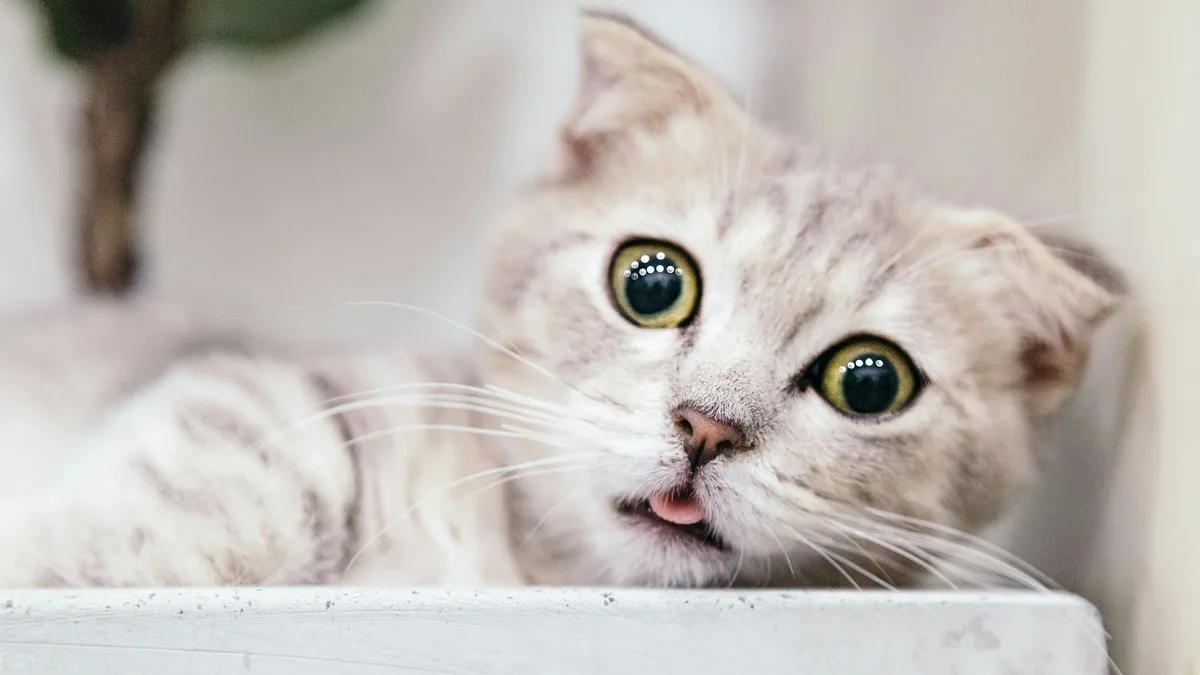
Experts Detail the Right Way to Clean a Cat Litter Box
Cat behavior specialists explain common litter box mistakes and provide specific guidelines for setup.
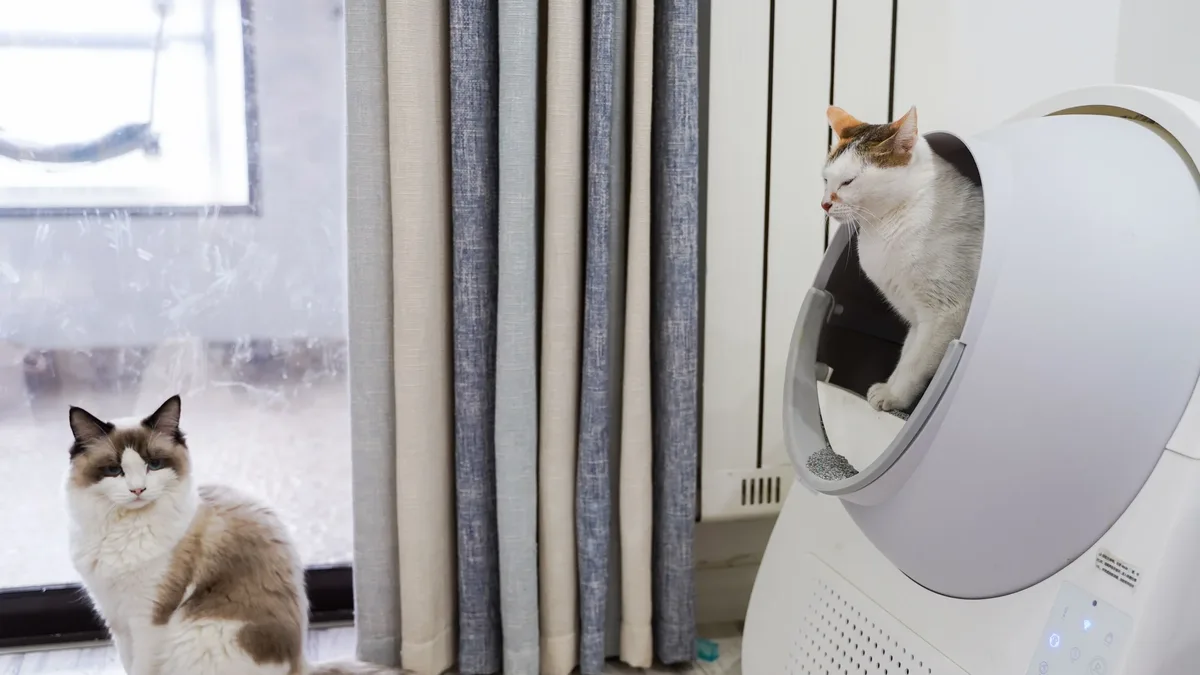
Automatic Litter Boxes and Why Cats Avoid Their Box
A podcast episode from Catster's Chatty Cattys discusses medical and environmental reasons for litter box avoidance, the pros and cons of automatic...
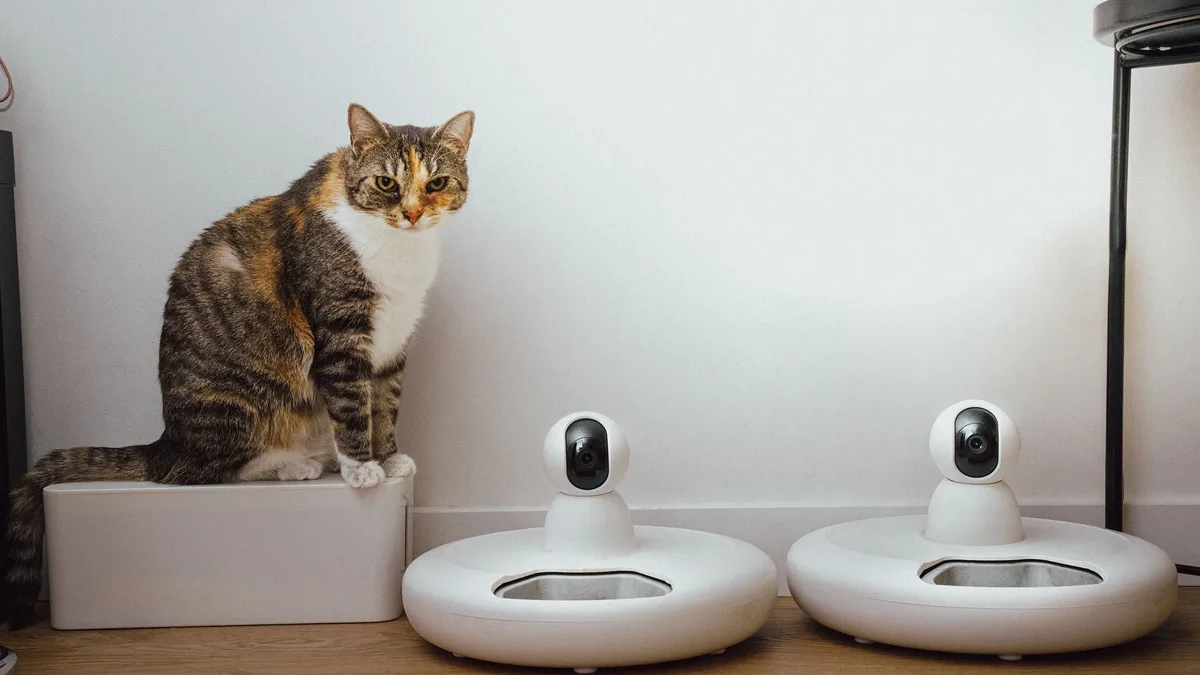
Smart litter solutions help owners track cat health
New smart litter and feeding devices from PetSuper automate routine care while tracking usage patterns to help owners monitor their cats' health.
Automatic Litter Boxes: A Game Changer for Cat Parents
Automatic litter boxes are not a luxury, but a necessity for cat parents who want to simplify their lives and provide a healthier environment for...