
Introducing Cats To Each Other
| Breed | Introducing Cats To Each Other |
|---|---|
| Process type | Gradual and supervised introduction |
| Key principle | Scent exchange before visual contact |
| Typical duration | Several days to several weeks |
| Critical resource | Separate safe spaces for each cat |
| Common goal | Peaceful cohabitation |
Origin and history
The formalized process of introducing cats to each other originates from modern companion animal behavioral practices, primarily developed in North America and Western Europe during the late 20th century. It emerged alongside the growing field of applied animal behavior science, which shifted from dominance-based theories to evidence-based, stress-reduction techniques. This methodology was crystallized in response to the increasing number of multi-cat households and the recognized need to prevent conflict. Veterinary behaviorists and cat welfare advocates began publishing structured protocols in the 1990s and 2000s, standardizing what was previously an anecdotal and often haphazard process. Its development is closely tied to the understanding of feline territoriality and the negative long-term consequences of forced introductions. The practice is now considered a foundational component of responsible multi-cat management in both home and shelter environments.
What it was bred for
This process was developed for the specific purpose of facilitating peaceful cohabitation between unfamiliar domestic cats in a shared territory. It was engineered to circumvent innate feline behaviors, such as territorial aggression and fear-induced defensive posturing, which can lead to injury and chronic stress. The methodology aims to replace immediate, direct confrontation with a gradual, positive association protocol. Its core function is to allow cats to establish a social hierarchy or tolerance on their own terms, without physical conflict, by controlling sensory exposure. The process is designed to minimize the risk of long-term behavioral problems, including inappropriate elimination, inter-cat aggression, and anxiety-related disorders. Ultimately, it serves as a preventative welfare tool to ensure the mental and physical well-being of all cats involved in a shared living space.
Life cycle
The introduction process follows a defined, sequential life cycle from initial isolation to full integration, though its duration is highly variable. The cycle begins with a mandatory period of complete physical separation, where the cats reside in separate rooms with all necessary resources. This initial phase allows both cats to acclimate to the new environment and each other's scent without the threat of a visual confrontation. The next stage involves controlled scent swapping, using items like towels or toys, to familiarize the cats with each other's olfactory signature before any visual contact is made. Subsequent phases introduce controlled visual access through a barrier like a screen or cracked door, followed by brief, supervised face-to-face meetings. The cycle concludes with progressively longer periods of unsupervised cohabitation, but it can regress to earlier stages if signs of tension or aggression are observed, making it non-linear and adaptable.
Character and appearance
The character of a successful cat introduction is defined by a calm, neutral, and patient atmosphere, devoid of forced interactions or loud stimuli. Its appearance is methodical and structured, relying on physical barriers like closed doors, baby gates, or screen doors to manage the cats' sensory experiences. The environment is deliberately arranged with multiple, separate resources, food bowls, water stations, litter boxes, and resting places, to prevent competition. Key tools include items for scent exchange, high-value food treats for positive association, and interactive toys for distraction. The visual markers of the process are the temporary but essential modifications to a home, such as blocked doorways and the establishment of a "base camp" room for the new cat. The overall demeanor should be one of low-key supervision, where human facilitators read feline body language for signs of relaxation or tension.
Overview
Introducing cats to each other is a systematic behavioral protocol designed to build neutral or positive associations between unfamiliar felines. It is a critical procedure for preventing the outbreak of serious, long-term aggression and stress in multi-cat households or shelter settings. The protocol operates on the core feline principles of territoriality and scent-based communication, using controlled exposure to circumvent instinctive defensive reactions. Success is measured not by the cats becoming bonded companions, but by achieving mutual tolerance and the absence of conflict during shared space use. It requires a significant investment of time, space, and patience from the human facilitator, with no guaranteed timeline for completion. The process is widely recommended by veterinarians and animal behaviorists as the standard of care for integrating new cats.
What to know
A rushed introduction is the most common cause of failure, often leading to irreversible animosity and a dangerous living situation for the cats. The process requires at least two separate spaces equipped with all essential resources, food, water, litter, scratching posts, and hiding spots, to be effective. Facilitators must learn to identify subtle signs of feline stress, such as flattened ears, tail twitching, hiding, or silent staring, and be prepared to immediately separate the cats if these appear. Using food, especially high-value treats or meals, as a positive association tool during controlled visual exposures is a cornerstone of the technique. The resident cat's adjustment is as important as the new cat's, and their comfort and routine should be disrupted as little as possible. One should never physically punish or yell at cats showing aggression, as this increases fear and worsens the association, and introducing cats of similar energy levels and ages generally has a higher success rate.
Common questions
How long does the entire introduction process typically take? The timeline varies dramatically from a few days to several months, depending entirely on the individual cats' personalities and histories. Can I skip the separation phase if both cats seem immediately friendly? It is strongly discouraged, as initial curiosity can swiftly turn to territorial aggression once the new cat explores the resident's core territory. What should I do if the cats fight during their first visual meeting? Immediately separate them without pulling them apart with your hands, using a barrier or distraction, and return to the scent-swapping phase for a longer period. Is it easier to introduce a kitten to an adult cat? Often yes, as adult cats may perceive a kitten as less of a territorial threat, but the standard protocol should still be followed to ensure the kitten's safety. Will my cats ever become best friends? The goal is peaceful coexistence; while some cats form close bonds, others will simply learn to tolerate each other at a distance, which is still a successful outcome. What if, after months, they still cannot be in the same room? In such cases, a permanent managed separation or rehoming one cat may be necessary for welfare, and consultation with a veterinary behaviorist is advised.
Pros and cons
The primary advantage is the significant reduction in risk for physical injury and the establishment of a stable, low-stress environment, preventing long-term behavioral issues like inappropriate elimination. It provides a clear, structured framework for an otherwise emotionally charged and uncertain situation, giving owners a sense of control and direction. A major con is the substantial time and spatial commitment required, which can be impractical in small homes and demanding for the facilitator over a potentially extended period. The process can fail if not followed with strict consistency, or if the cats' innate personalities are fundamentally incompatible, leading to frustration and wasted effort. A common mistake is misreading cat body language and progressing too quickly, which often results in a severe setback that is more difficult to repair than the initial cautious approach. Owners sometimes regret attempting the introduction when they realize their resident cat's quality of life is severely diminished by chronic anxiety, even without overt fighting.
Who it suits
This process suits patient, observant individuals who have the physical space to maintain separate cat zones for an indeterminate period and the time to manage the multi-daily steps involved. It is essential for households bringing in a second cat where the resident cat has a known history of territorial behavior or has lived alone for many years. Shelters and rescue organizations utilize modified versions of this protocol as a standard operating procedure to ensure successful adoptions into multi-pet homes. It is less suited for individuals seeking an immediate companion for their cat, those living in small studio apartments with no ability to separate animals, or people who cannot tolerate a prolonged, methodical routine. The process also suits situations where the cats have a known compatible temperament, such as similar age and energy levels, increasing the likelihood of a smoother integration.
Latest Introducing Cats To Each Other news
Latest reporting

Mother-Daughter Rescue Cats Seek Joint Adoption in New York City
A viral video of rescue cats Belinda and Pellene has sparked a public campaign for their joint adoption. The mother and daughter, available as a pair...

26 Cats Rescued from Sealed Boxes in Birmingham Alleyway
Twenty-six cats and kittens were found sealed in plastic boxes and dumped beside fly-tipped rubbish in a Birmingham alleyway on September 30.

One in 15 Cats Carries Human-Transmissible Giardia
A large-scale study finds 6.7% of North American house cats carry Giardia, with kittens and male cats at higher risk, and one in five infected cats...
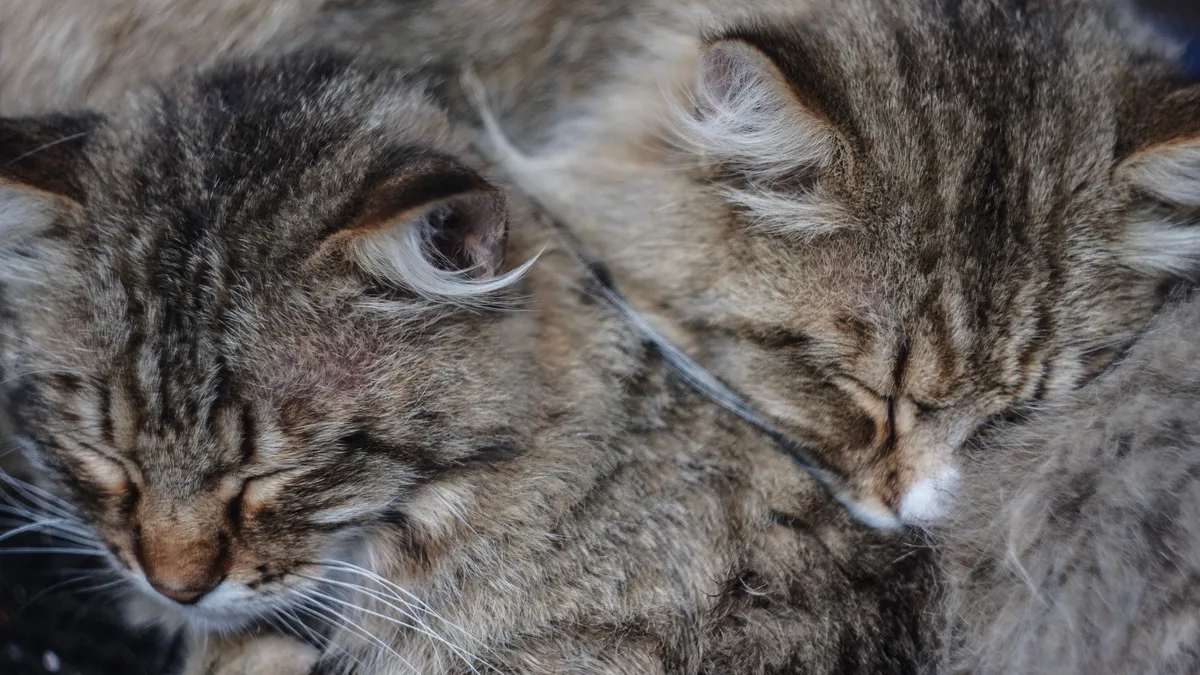
Global Study Links Cat Density to National Happiness
An analysis of 93 countries finds nations with more cats per capita report higher happiness and lower rates of the Toxoplasma gondii parasite.
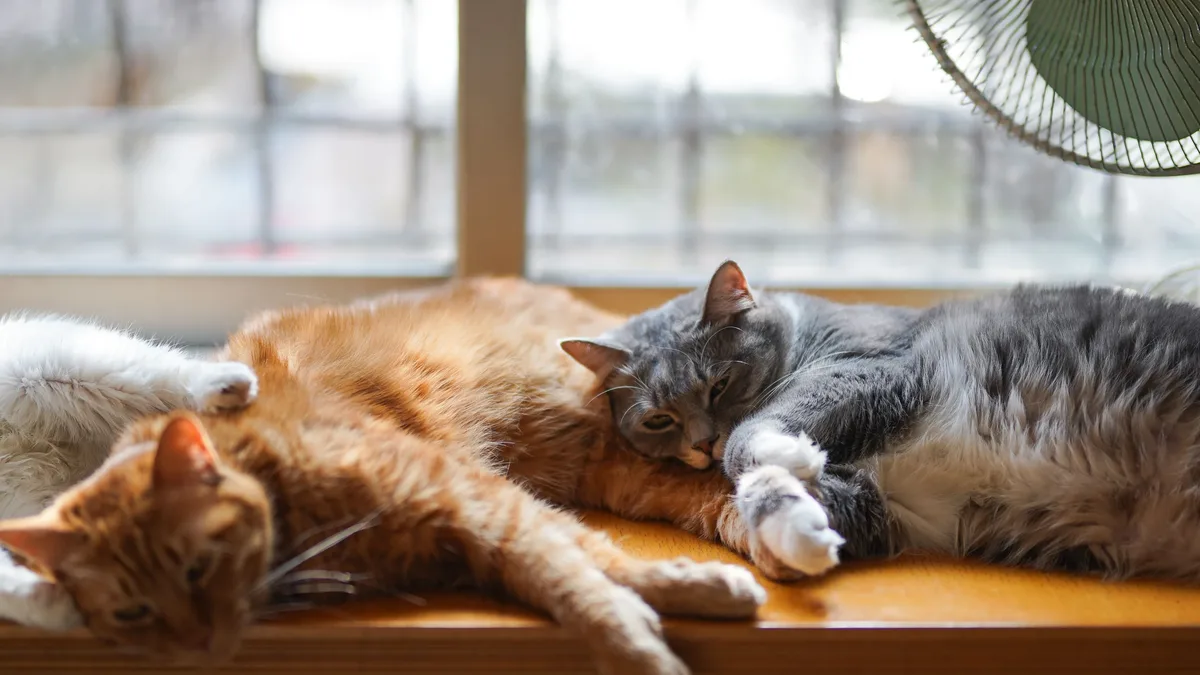
First Documented Cases of Marfan Syndrome Found in Cats
Researchers have identified the first documented cases of Marfan syndrome in domestic cats, diagnosed in littermates Gary and Shaggy through genetic...
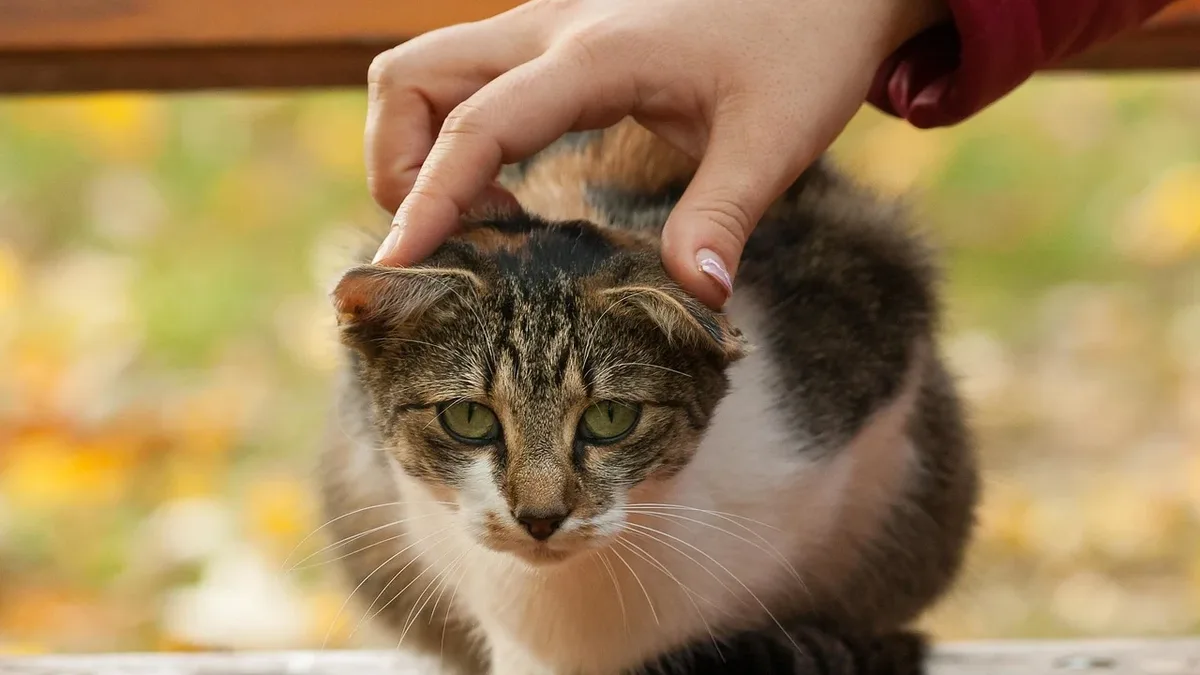
Cat Density Linked to National Happiness in 93-Country Study
An international study finds countries with more pet cats per capita report higher happiness levels.