
Cats And Dogs Together
| Breed group | Hybrid (Domestic cat × Dog hybridization is biologically impossible) |
|---|---|
| Size | Medium to large (varies by individual domestic cat lineage) |
| Coat | Varies (domestic cat coat types) |
| Temperament | Varies by individual cat; a hypothetical concept for behavioral study |
| Good with dogs | Individual dependent; requires careful, supervised introduction |
| Indoor suitability | High (as with all domestic cats kept indoors for safety) |
Origin and history
The concept of Cats And Dogs Together does not refer to a specific cat breed, but rather to a behavioral and cohabitation dynamic between two different species. The documented history of domestic cats and dogs living under human care spans millennia, with both species undergoing domestication in different regions and eras. The deliberate management of their interactions within a shared household is a more modern development, particularly emphasized in the late 20th century. This practice gained structured attention with the rise of urban pet ownership and the focus on multi-pet households. Its principles are not tied to a single country but have been developed and disseminated globally by animal behaviorists and trainers. The core philosophy centers on overcoming innate interspecies communication barriers for peaceful cohabitation.
What it was bred for
As a management practice, Cats And Dogs Together was not "bred" but was developed to serve a specific purpose: enabling safe and stress-free cohabitation between felids and canids in a shared domestic space. Its purpose is to mitigate the natural predatory instincts of dogs and the defensive instincts of cats that can lead to conflict. The methodology is designed to fulfill the welfare needs of both species by reducing chronic anxiety and preventing injury. It aims to create a predictable home environment where both animals can exhibit normal behaviors without threatening the other. This practice serves human owners who wish to integrate families that include both cats and dogs. Ultimately, its goal is to replace instinctual fear and chase responses with conditioned neutrality or positive association.
Life cycle
The life cycle considerations for Cats And Dogs Together involve the developmental stages of both species and how they intersect. Successful integration is most predictably achieved when both animals are introduced during their socialization periods, typically in kittenhood and puppyhood. The juvenile stage is optimal for forming lasting neutral or affiliative bonds, as young animals are more adaptable and less set in their species-specific behaviors. Adult introductions are possible but require a more protracted and careful management process, as adult animals have established behavioral patterns. The senior life stage presents additional challenges, as older cats may have less tolerance for disruption and older dogs may have cognitive or sensory decline affecting their behavior. The practice requires ongoing management throughout the animals' lives, as relationships can shift with changes in health, environment, or routine.
Character and appearance
The character of a successful Cats And Dogs Together household is defined by behavioral traits rather than physical appearance. The ideal temperament for a dog involved in this dynamic is a low predatory drive, high biddability, and a generally calm disposition. The ideal cat temperament is confidence, curiosity, and a lack of extreme timidity, which can trigger a chase response. Appearance is entirely variable and depends on the individual breeds or mixes of the animals involved; a large dog can coexist with a small cat, and vice versa, provided the behavioral foundation is sound. The key visual indicators of success are relaxed body language in both animals, such as soft eyes, loose postures, and the absence of constant vigilance. The character of the relationship is often one of mutual indifference or cautious tolerance, with true friendship being a less common but possible outcome.
Cats And Dogs Together price
There is no standard purchase price for Cats And Dogs Together, as it is a management practice, not a tangible product. The financial costs are instead associated with the acquisition and care of the individual animals and the implementation of the process. Expenses include the adoption or purchase fees for a cat and a dog, which vary enormously by breed, source, and region. Significant potential costs arise from necessary supplies like separate feeding stations, multiple litter boxes, baby gates, and separate safe spaces. Investing in professional guidance from a certified animal behaviorist or trainer for introduction protocols can represent a major, but often crucial, expense. Ongoing costs encompass high-quality species-appropriate food, routine veterinary care for two animals, and potential costs for behavioral medication or therapeutic products to reduce anxiety.
Cats And Dogs Together size
The size considerations for Cats And Dogs Together pertain to the physical space and environmental management required, not the size of a single animal. Adequate square footage is essential to allow for species-specific separation and the establishment of territorial cores, especially for the cat. Vertical space is a critical component, providing cats with escape routes and observation perches via cat trees, shelves, and furniture access. The size of the dog relative to the cat is a major factor, as a very large dog can unintentionally injure a cat even during play, requiring more carefully managed interactions. The home must accommodate separate feeding areas that cannot be accessed by the other species to prevent food guarding. Sufficient size also allows for multiple rest areas where each animal can retreat without being followed or cornered by the other.
Cats And Dogs Together kittens
Introducing a kitten to a resident dog is a common scenario within the Cats And Dogs Together framework and requires specific protocols. The kitten should have a safe, separate base camp room for the initial days or weeks, containing all its resources, where the dog cannot enter. Controlled, brief introductions should begin with scent swapping using blankets before any visual contact is made. Initial visual meetings should be with the dog securely leashed and the kitten free to retreat, often with the dog engaged in a calm activity like eating or training. The kitten's confidence and the dog's calmness are the primary metrics for progressing interactions, not a predetermined timeline. It is vital to never leave a kitten and dog together unsupervised until their relationship is profoundly stable, which may take many months. The goal is to allow the kitten to mature in an environment where the dog is a neutral or positive part of its landscape.
Pros and cons
A primary pro of successfully implementing Cats And Dogs Together is the enrichment and companionship it can provide for both animals, satisfying social needs in a human-centric household. It can create a dynamic and stimulating home environment that many owners find deeply rewarding. A significant con is the substantial and ongoing time investment required for managed introductions, supervised interactions, and environmental management, which many owners underestimate. Common regrets arise from rushing the process, leading to a chase event that permanently terrifies the cat and reinforces the dog's predatory behavior. The most frequent mistake is assuming an animal's general friendliness toward its own species will automatically extend to the other, ignoring deep-seated instinctual drives. This setup can fail catastrophically if the individual animals' temperaments are incompatible, such as a high-prey-drive dog and a skittish cat, leading to rehoming stress for one or both.
Who it suits
This practice suits patient, observant, and proactive owners who are committed to studying animal body language and following structured protocols without cutting corners. It is well-suited to individuals who work from home or have flexible schedules, allowing for the necessary supervision and gradual introduction phases. Households with ample physical space, including vertical options for cats, are significantly more likely to achieve lasting success. It suits owners who are acquiring both animals as juveniles, as this offers the highest probability of fostering a peaceful coexistence. This dynamic is a poor fit for owners with highly demanding schedules, those who desire immediate harmony, or individuals unprepared for the potential of lifelong management of separate spaces. It is also ill-advised for households with dogs bred for high-intensity vermin control or guarding, or with cats known for extreme nervousness, without extensive professional guidance.
Latest Cats And Dogs Together news
Latest reporting
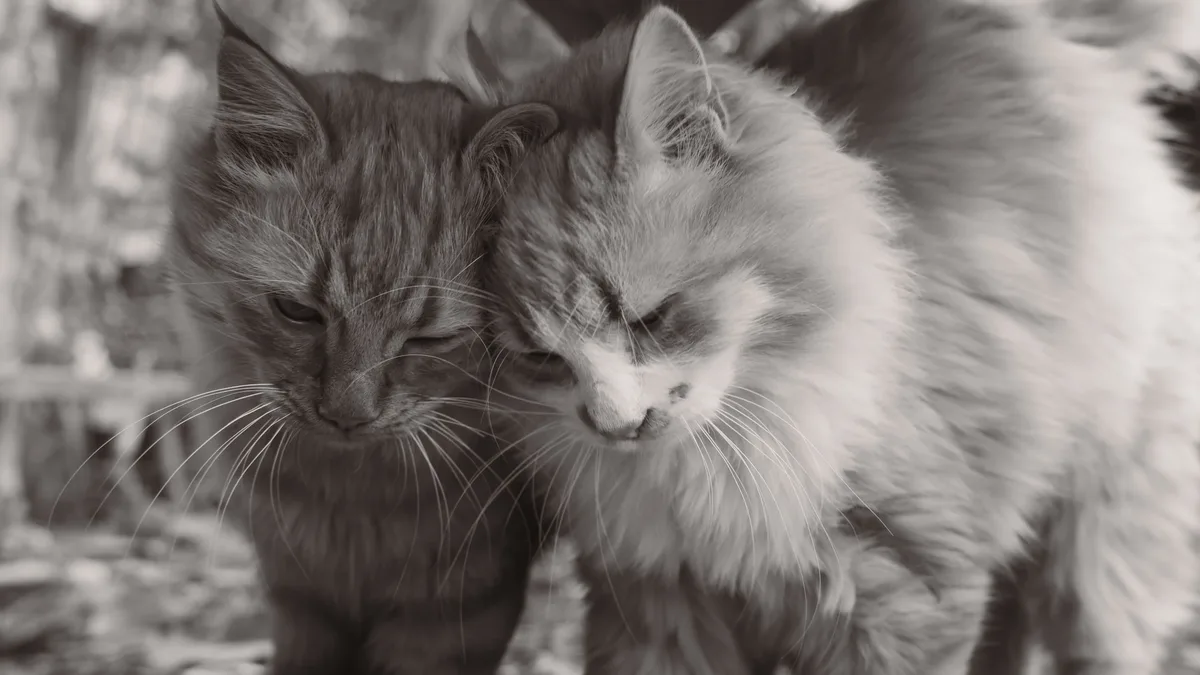
Mother-Daughter Rescue Cats Seek Joint Adoption in New York City
A viral video of rescue cats Belinda and Pellene has sparked a public campaign for their joint adoption. The mother and daughter, available as a pair...
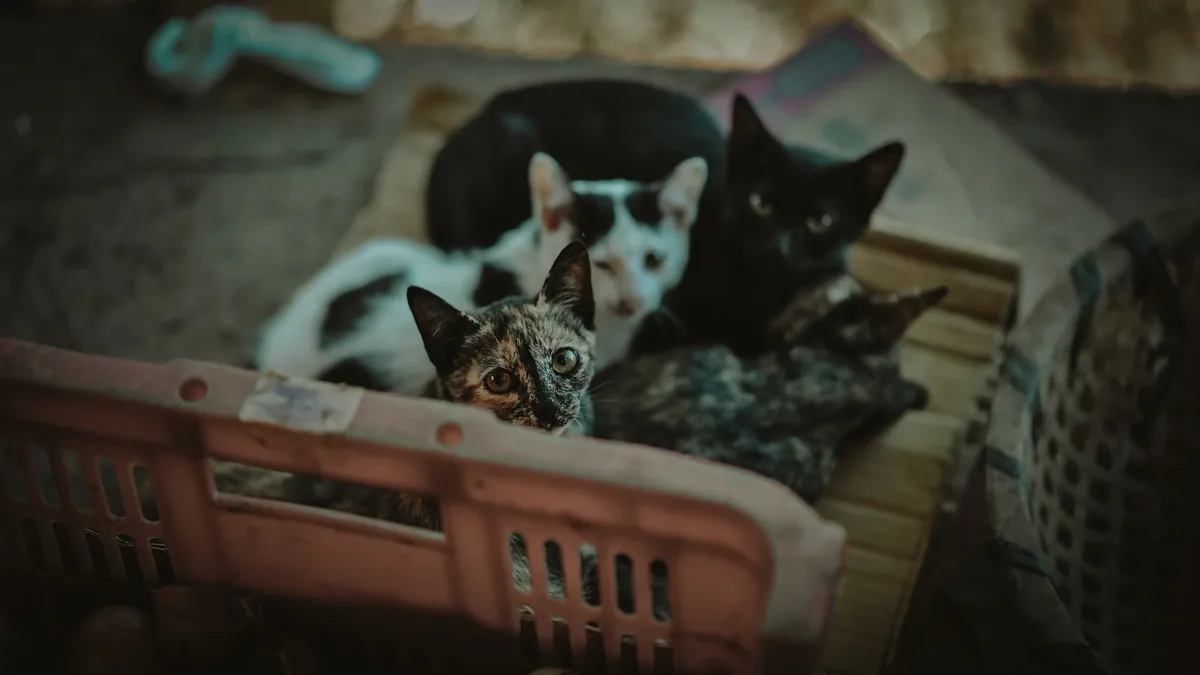
26 Cats Rescued from Sealed Boxes in Birmingham Alleyway
Twenty-six cats and kittens were found sealed in plastic boxes and dumped beside fly-tipped rubbish in a Birmingham alleyway on September 30.

One in 15 Cats Carries Human-Transmissible Giardia
A large-scale study finds 6.7% of North American house cats carry Giardia, with kittens and male cats at higher risk, and one in five infected cats...
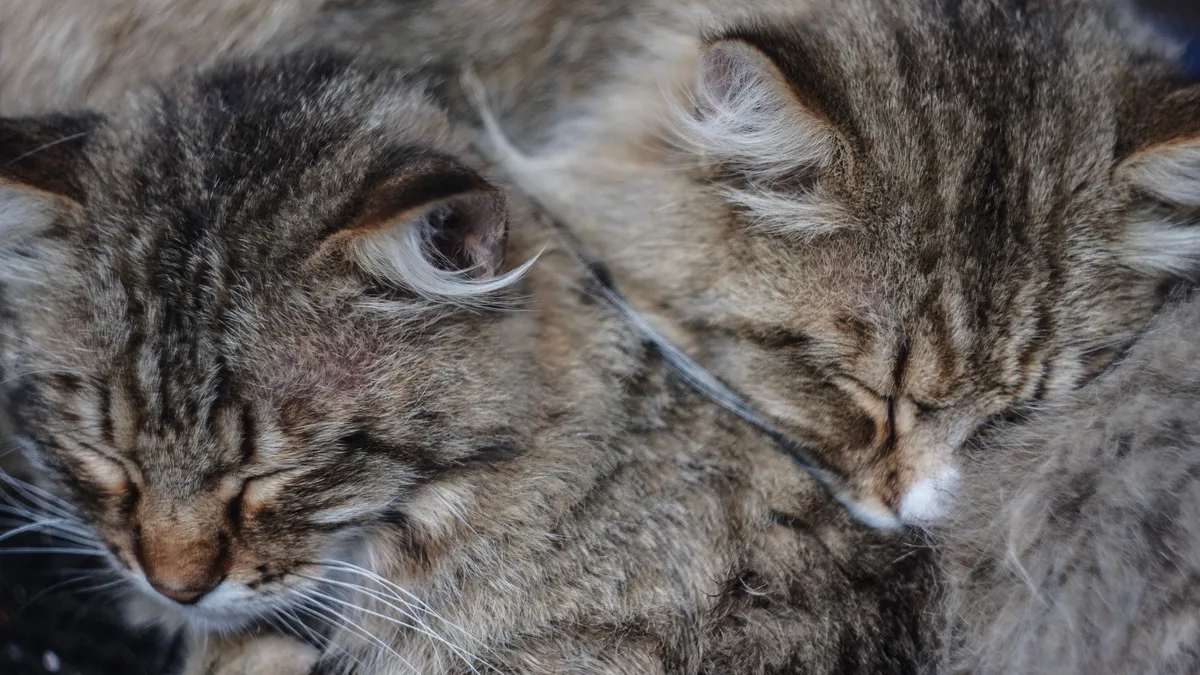
Global Study Links Cat Density to National Happiness
An analysis of 93 countries finds nations with more cats per capita report higher happiness and lower rates of the Toxoplasma gondii parasite.
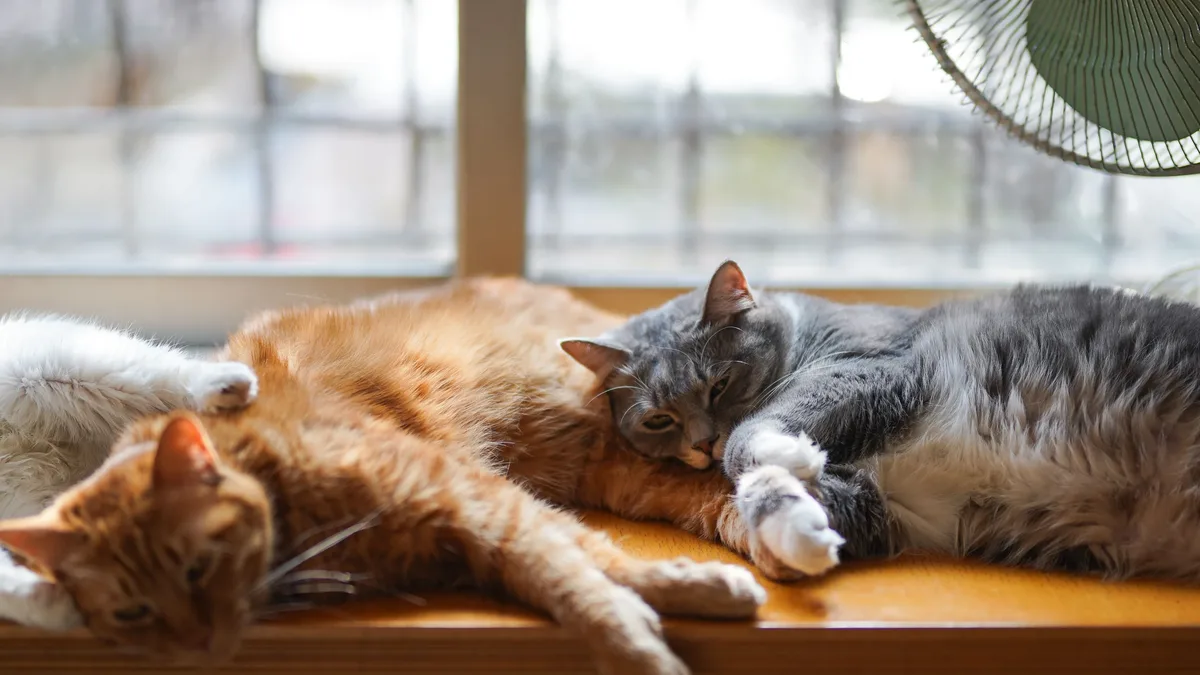
First Documented Cases of Marfan Syndrome Found in Cats
Researchers have identified the first documented cases of Marfan syndrome in domestic cats, diagnosed in littermates Gary and Shaggy through genetic...
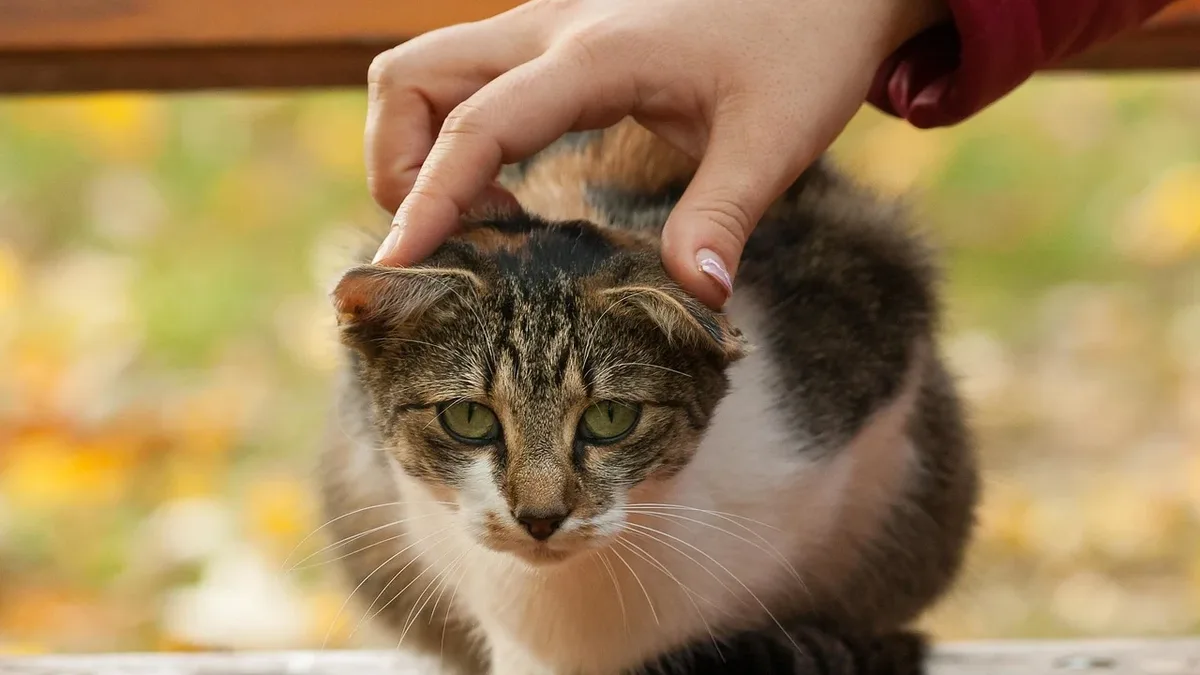
Cat Density Linked to National Happiness in 93-Country Study
An international study finds countries with more pet cats per capita report higher happiness levels.