A Cat's Mind Focuses on the Present Moment
Cats likely think about their immediate surroundings rather than dwelling on the past or future, according to a Catster report on feline cognition.
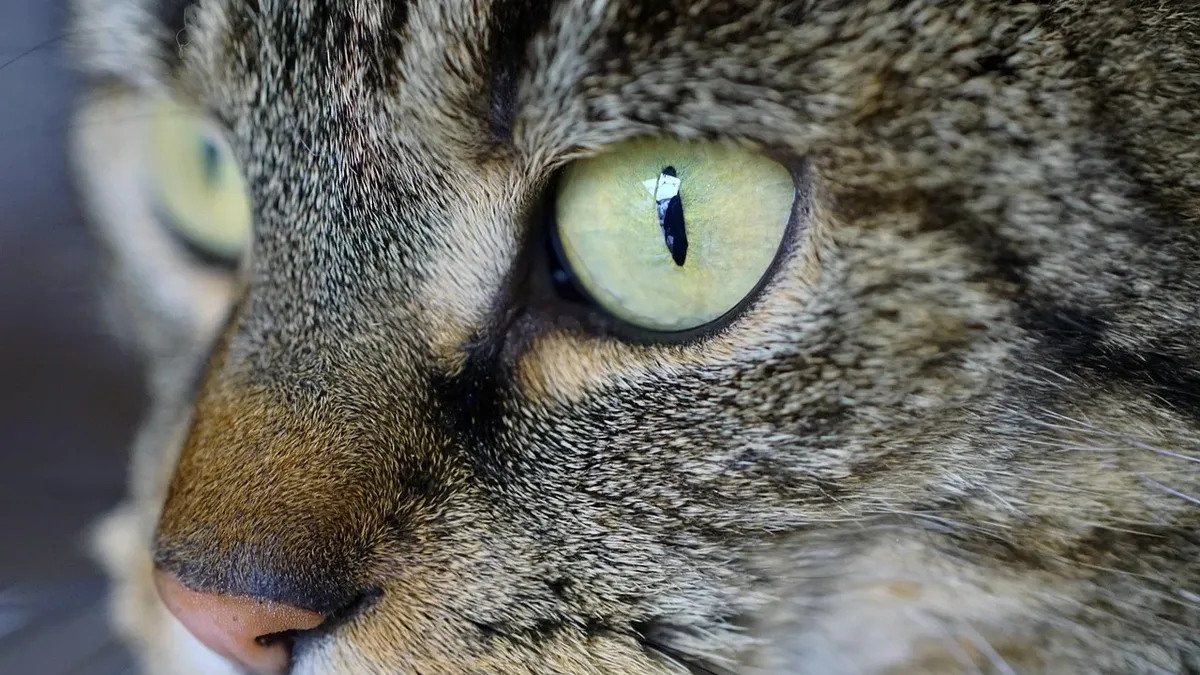
Cats do not think in words or have an internal monologue like humans. Feline brains lack the structures for complex language, making it unlikely their thoughts consist of meows or purrs. Instead, a cat's mind is probably highly tuned to its immediate environment.
The Power of Now
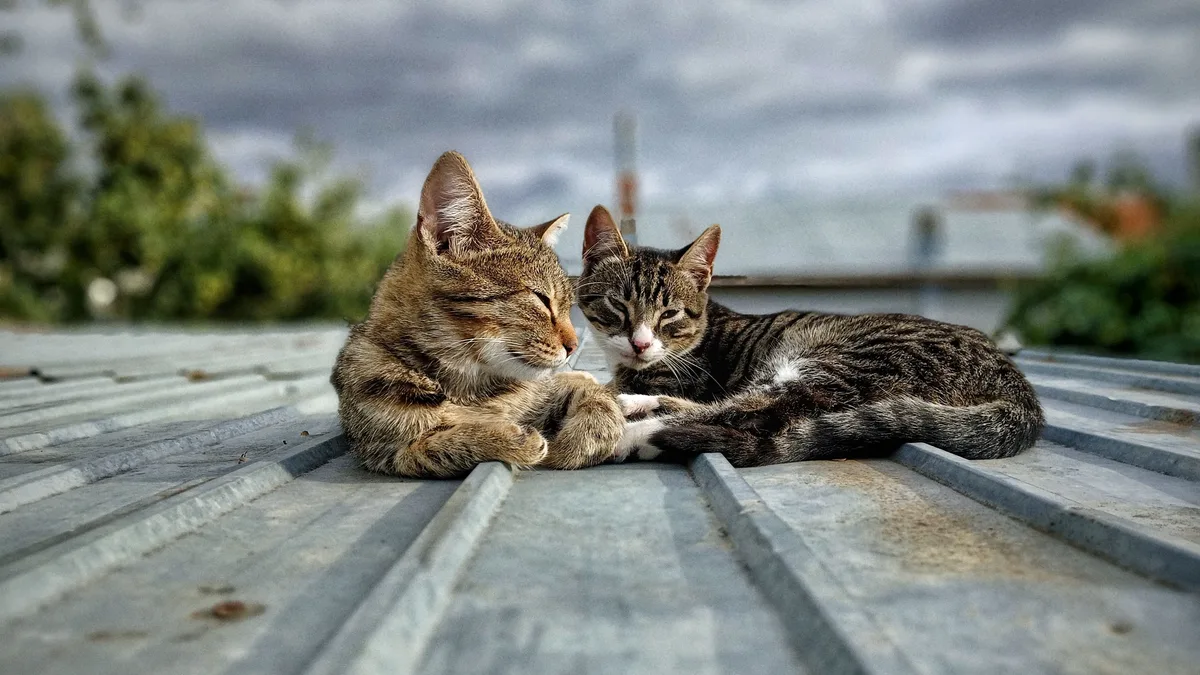
Humans often struggle to stay in the present, but for cats, it is likely the default state. When a cat plays with a toy or solves a puzzle, its attention is concentrated on that activity. Similarly, relaxation for a cat may involve simply experiencing a warm blanket, a comfortable couch, or an interesting view. Their attention is closely tied to what is happening around them rather than extended internal reflection.
Cats Don't Dwell On The Past
Cats possess long memories, especially for significant positive or negative experiences. These memories can influence future behavior and are a key part of how cats learn and bond with humans. However, a cat relaxing is probably not replaying yesterday's events. Memories typically surface when triggered by a present stimulus like a familiar smell or sight. The past guides behavior without becoming a subject of deliberate thought.
The Question of Self-Awareness
There is no clear evidence cats engage in human-like self-reflection. Indicators of higher intelligence, such as self-awareness, are believed to be limited to species like great apes and dolphins. It remains unknown if cats can analyze their experiences to build a self-image. Reactions to mirrors are inconsistent; some cats ignore their reflection, while others act as if seeing another cat.
Cats can be affected by separation from familiar people or animals. Some experience separation anxiety, and the loss of a companion can be distressing. These feelings may lessen with adjustment, but associated memories may persist. A familiar scent might trigger recognition and an emotional response, though the exact internal experience remains a mystery.
We cannot know exactly what a cat is thinking. They remember, learn, and can feel distress. What is less clear is if they deliberate over the past or contemplate the future. The next time a cat stares out a window, it may simply be paying close attention to the present, a state humans find surprisingly difficult to understand.