Anti-Anxiety Drug Lorazepam Shows Promise in Preventing Cat
A new veterinary study finds lorazepam, a drug used for anxiety and muscle relaxation, prevented recurrent urinary blockages in male cats during a 30-day
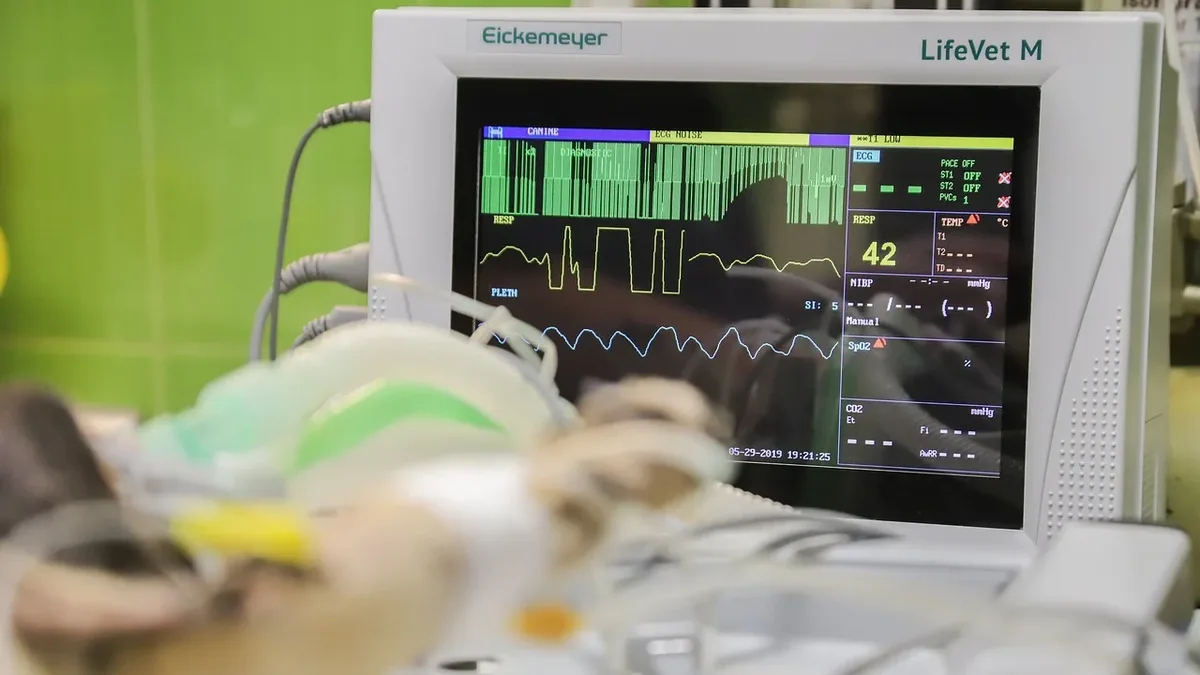
A clinical trial suggests the anti-anxiety medication lorazepam could help prevent life-threatening urinary blockages from recurring in male cats. The study found no cats receiving lorazepam re-obstructed within 30 days, offering a new potential tool for a common feline emergency.
Urinary obstruction in male cats is a critical emergency where the urethra becomes blocked, preventing urination. The condition is deadly if untreated, and recurrence is frustratingly common. Research cited by Catster indicates urethral obstruction results in death or euthanasia for over a quarter of patients, with recurrence risk being a primary reason.
Why Blockages Happen and Recur
Male cats are anatomically prone to blockages because their urethra is long and narrow. The narrowest sections are made largely of skeletal muscle, which can spasm and tighten. An initial blockage often involves a plug of mucus and crystals, but subsequent inflammation, pain, and muscle spasm can keep a cat at high risk even after the initial plug is removed.
Recurrence rates are high. One study found many cats became blocked again, usually within two to three weeks of going home. This often leads to more invasive surgery or euthanasia.
The Lorazepam Trial
Researchers at the University of Minnesota investigated whether lorazepam, a benzodiazepine with anxiety-reducing and skeletal muscle-relaxant effects, could reduce recurrence. The trial involved male cats experiencing their first urinary blockage. Cats were randomly assigned to receive either 0.25 mg of lorazepam or a placebo every 12 hours for 30 days.
All cats received standard post-blockage care, including a prescription urinary diet and advice on water intake and stress management. The study was double-blind, meaning neither owners nor researchers knew which treatment a cat received.
| Group | Number of Cats | Re-blocked During Study |
|---|---|---|
| Lorazepam | 31 | 0 |
| Placebo | 39 | 5 |
Of the cats that completed the study, five re-blocked. All five were in the placebo group. This equates to a recurrence rate for the placebo group versus zero for the lorazepam group. The lorazepam group also had fewer reported urinary symptoms, though this difference was not statistically significant.
How Lorazepam Might Work
Traditional medications for this condition target smooth muscle. The study's authors hypothesized that a drug relaxing skeletal muscle might be more effective for the specific urethral area where blockages occur. Lorazepam's dual action is key. "Because this benzodiazepine can have an anxiolytic effect as well as a muscle-relaxing effect," the source notes, it may address both muscle tension and stress, a known factor in feline lower urinary tract disease.
The results are promising but not definitive. The study was smaller than planned and conducted at a single hospital. Larger, multicenter trials are needed to confirm the findings. The recurrence rate in the placebo group was also relatively low, which the researchers suggest may be partly due to the comprehensive standard care all cats received.
Reported Side Effects
Lorazepam was generally well-tolerated. The most notable side effect was ataxia, or unsteadiness. Some cats were also sleepier, ate more, or vocalized more. An important caveat is that nearly all cats also received gabapentin, which can cause similar unsteadiness, making it unclear if lorazepam was solely responsible.
For cats and owners facing the trauma of a urinary blockage, preventing the next one is important. While not a guaranteed cure, this study provides a promising new direction by targeting skeletal muscle relaxation and anxiety during the vulnerable recovery period.