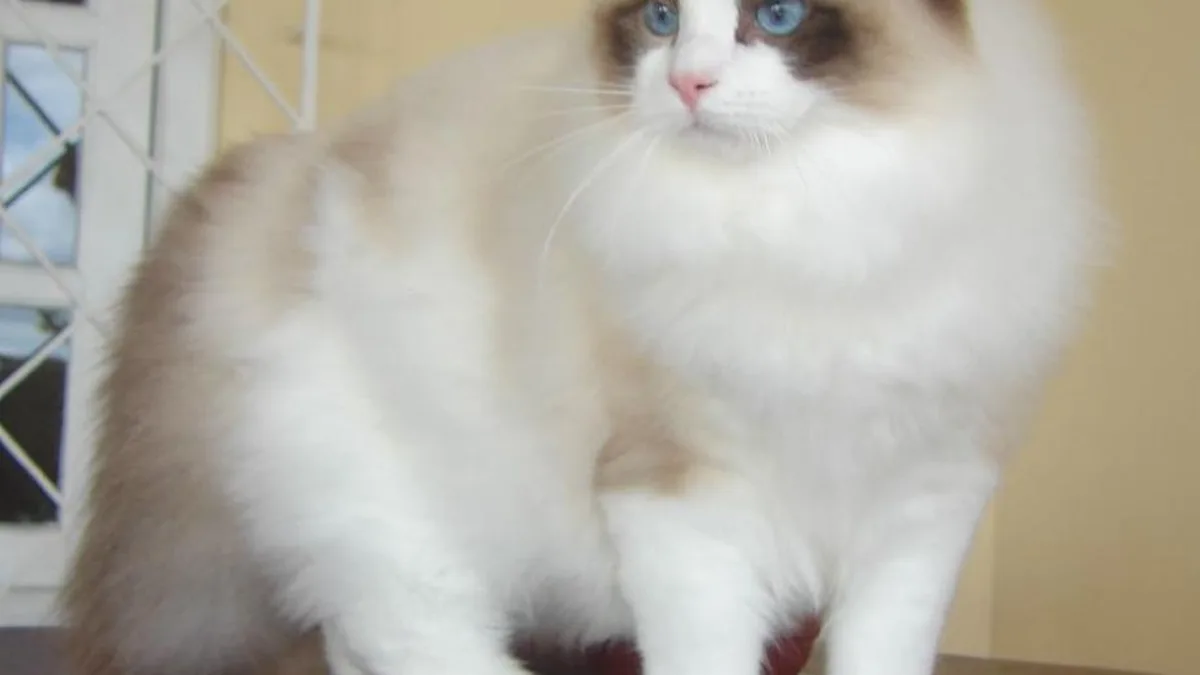
Ragdoll
| Country of origin | United States |
|---|---|
| First created | 1960s |
| Original use | Companion cat |
| Size | Medium to large |
| Coat | Semi-long, silky |
| Temperament | Docile, placid, affectionate |
| Indoor suitability | Highly suited to indoor life |
Origin and history
The Ragdoll breed originated in Riverside, California, United States, during the 1960s. A woman named Ann Baker is credited with developing the foundation of the breed using a domestic longhaired white female cat named Josephine and other unknown male cats. Baker established a selective breeding program to perpetuate specific physical and temperamental traits she observed. The breed's development involved careful line-breeding to solidify its distinctive characteristics. Early breed history is documented through Baker's own registries before broader recognition. The Ragdoll gained acceptance by major cat registries in subsequent decades, establishing its status as a formal breed.
What it was bred for
The Ragdoll was selectively bred explicitly for its docile, placid temperament and affectionate nature. Breeders aimed to create a cat known for going limp and relaxed when held, which inspired the breed's name. The breeding program focused on producing a large, gentle companion animal suitable for indoor family life. Emphasis was placed on achieving a predictable, non-aggressive personality that is consistently tolerant of handling. The physical breeding goals included a semi-longhaired coat with specific color-point patterns and striking blue eyes. The intent was not for any working purpose but solely for consistent temperament and appearance as a companion cat.
Life cycle
Ragdoll kittens are born completely white, with their point coloration developing gradually over the first few weeks of life. They mature relatively slowly, often not reaching their full substantial size and bone structure until around three to four years of age. This breed is generally considered healthy, but a responsible breeding practice includes screening for known genetic concerns such as hypertrophic cardiomyopathy. The average lifespan of a well-cared-for indoor Ragdoll is typically 12 to 15 years, though some individuals live longer. Adulthood is characterized by a sustained, calm energy level rather than the high activity of some other breeds. Senior Ragdolls often maintain their gentle disposition but may require monitoring for age-related health issues common to larger cats.
Character and appearance
The Ragdoll is a large, heavy-boned cat with a semi-long, silky coat that lacks a dense undercoat, reducing matting. Its distinctive appearance features blue eyes, a broad modified wedge-shaped head, and color-point patterns including seal, blue, chocolate, and lilac, often with mitted or bicolor markings. Characteristically, the breed is known for a remarkably relaxed and placid demeanor, often seeking out human companionship. Ragdolls tend to be quiet-voiced and are not typically known as agile climbers or jumpers compared to more athletic breeds. They frequently follow their owners from room to room and may greet visitors at the door. Their famous tendency to go limp when cuddled is a common but not universal trait, reflecting their general trust and lack of tension.
Pros and cons
A primary advantage is the Ragdoll's exceptionally gentle and predictable temperament, making it an excellent fit for calm households and families with respectful children. Their social nature means they often suffer from loneliness if left alone for extremely long periods regularly. The semi-long coat requires regular grooming to prevent tangles, though the lack of an undercoat makes it more manageable than some other longhaired breeds. A significant con is their trusting, non-aggressive nature, which can make them vulnerable to other pets or situations where they cannot defend themselves. Owners sometimes regret choosing a Ragdoll if they desire an independent or highly playful, interactive cat, as Ragdolls are often placid and can be perceived as lazy. A common mistake is underestimating their need for companionship and their potential to develop stress-related issues if their social environment is neglectful or chaotic.
Who it suits
This breed suits individuals or families seeking a constant, affectionate companion that enjoys being involved in daily activities without being overly demanding. It is ideal for indoor-only living environments due to its trusting nature and lack of street-smart survival instincts. Ragdolls are well-matched with first-time cat owners who are prepared for the commitment of regular grooming and attentive veterinary care. They suit households with a consistent routine where someone is home a significant portion of the day to provide social interaction. The breed is generally a good fit for families with gentle, older children who understand how to handle a large, patient cat respectfully. It is less suited for highly active individuals seeking a playful, athletic pet or for those who are frequently away from home for extended travel or work hours.