Night Activity And Zoomies
| Country of origin | Not applicable (behavioral trait, not a breed) |
|---|---|
| First created | Not applicable (natural feline behavior) |
| Original use | Not applicable (innate predatory energy pattern) |
| Typical triggers | Evening, post-nap, after using litter box |
| Common in | Young to middle-aged cats, high-energy breeds |
| Management | Scheduled interactive play, environmental enrichment |
| Related terms | Frenetic random activity periods (FRAPs), midnight crazies |
Origin and history
The behavioral pattern commonly referred to as "Night Activity And Zoomies" is not a distinct cat breed but a descriptive term for a common feline activity cycle. This pattern is observed across virtually all domestic cat breeds and mixed-breed cats worldwide. Its documentation is as old as the domestication of cats themselves, with observable traits noted in historical accounts of feline behavior. The terminology "zoomies" is a modern colloquialism, but the underlying behavior is an inherent, stable aspect of feline biology. Scientific study of feline circadian rhythms and activity bursts increased significantly in the late 20th century. The behavior is a universal feline trait, not originating from any specific country or region.
What it was bred for
This behavioral trait was not selectively bred for by humans but is an evolutionary adaptation retained from wild ancestors. Nocturnal and crepuscular activity peaks are survival mechanisms for hunting prey like rodents, which are often most active at dawn and dusk. The explosive bursts of energy, or "zoomies," are linked to prey-stalking and capturing behaviors practiced in safe environments. This activity pattern also serves as a vital energy release mechanism and a method for maintaining muscle tone. Domestication has not eliminated these ingrained biological drives, even in cats with no hunting requirements. Therefore, it is an intrinsic behavioral characteristic, not a bred-for trait of any specific lineage.
Life cycle
The propensity for night activity and zoomies is present from kittenhood through a cat's senior years, though its expression changes with age. Kittens and young cats exhibit the most frequent and intense episodes, often multiple times daily, as part of their development and immense energy reserves. In adulthood, typically from ages 2 to 10, the frequency may become more predictable, often aligning with dusk and dawn, but bursts remain common. Senior cats, generally over age 10, may show decreased intensity and duration of these episodes due to natural reductions in energy and possible joint stiffness. However, even older cats will often display shorter, quieter bursts of nighttime activity, maintaining the basic rhythm. The cycle is lifelong, being a fundamental component of feline behavior rather than a phase.
Character and appearance
As this is a behavioral description, it applies to cats of any character and appearance. Cats described as having "Night Activity And Zoomies" can range from highly social to aloof, from playful to sedentary at other times. Physically, any cat regardless of coat length, color, body type, or breed standard can exhibit this behavior. The common thread is a predictable shift in energy, often characterized by intense, seemingly random running, jumping, and spinning, usually during evening or early morning hours. These episodes are typically preceded by periods of rest and are followed by grooming or sleep. The appearance during a zoomies episode is distinct: dilated pupils, a twitching tail, and a sudden explosive gait unlike their normal movement.
Night Activity And Zoomies price
There is no monetary price for the behavior itself, as it is a natural, non-tradable aspect of cat ownership. Costs associated with managing this behavior relate to environmental modifications and potential incidental damages. Owners may invest in durable toys, climbing structures, and interactive feeders to channel the energy appropriately. Potential hidden costs include replacing items that may be knocked over or scratched during frenetic activity, or addressing sleep disruption for the household. In some cases, consulting a veterinarian or feline behaviorist to ensure the activity is within normal bounds may incur professional fees. The primary "cost" is the commitment of time and understanding required from the owner to accommodate this natural feline rhythm.
Night Activity And Zoomies size
The size of a cat influences the manifestation but not the presence of night activity and zoomies. A large, heavy-breed cat like a Maine Coon will produce more audible thundering and may require more space for safe zooming. Smaller, lighter breeds like Siamese may be faster and more agile during these episodes, potentially accessing higher shelves. The fundamental behavior, sudden sprints, vertical leaps, and rapid direction changes, is scale-invariant across sizes. The physical impact on the home environment, such as the sound of galloping or the stability of furniture, correlates directly with the cat's size and weight. Regardless of size, all cats require a clear, safe pathway for these explosive play sessions.
Night Activity And Zoomies kittens
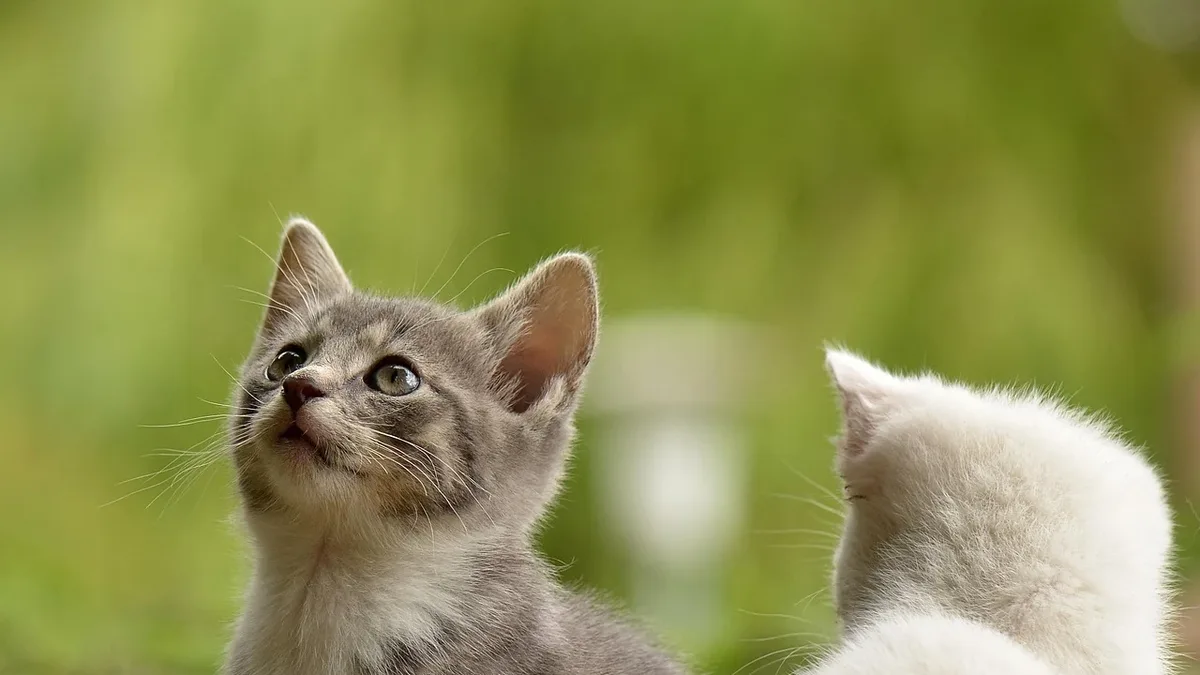
Kittens are prolific practitioners of night activity and zoomies, often treating the home as a racetrack and obstacle course. Their episodes are frequent, poorly timed, and can involve pouncing on sleeping owners or attacking moving feet under blankets. This behavior is crucial for motor skill development, coordination, and learning social boundaries with other pets or humans. Managing kitten zoomies involves providing ample safe outlets like chase toys and ensuring the environment is kitten-proofed to prevent injury. It is important not to punish this natural behavior but to redirect it with appropriate play sessions before human bedtime. Consistent play routines can help shift some of this intense energy to earlier in the evening.
Pros and cons
A primary pro is that this behavior is a clear indicator of a healthy, energetic cat expressing natural instincts, which can be entertaining to witness. It provides essential physical exercise and mental stimulation for the cat, preventing obesity and boredom-related issues. A significant con is the potential for significant sleep disruption for household members, leading to frustration and conflict. Owners often regret not understanding the depth of this commitment, mistakenly believing kittens will simply "grow out of it" entirely. Common mistakes include trying to suppress the behavior through punishment, which can cause stress and anxiety, or failing to provide adequate daytime stimulation, which exacerbates nighttime activity. Another downside is the potential for property damage, including knocked-over items, scratched furniture, or broken objects during frenetic episodes.
Who it suits
This behavior suits individuals or families who have a flexible schedule or who are naturally night owls themselves, as they can synchronize with their cat's active periods. It is well-suited to owners with sufficient space to create safe running paths and vertical climbing areas to accommodate the zoomies. Patient, understanding individuals who appreciate feline nature without anthropomorphizing their pet are ideal, as they will not misinterpret the behavior as spiteful. It suits households where sleep disruption is manageable, perhaps in a separate sleeping area for the cat at night. It is less suited to light sleepers, individuals with highly valuable or fragile home décor, or those expecting a consistently placid, predictable pet. Prospective owners must be prepared to engage in active, interactive play sessions daily to help modulate the timing and intensity of these natural bursts.