Why the ‘pspsps’ sound grabs cats’ attention
A Catster article explores how the high-pitched ‘pspsps’ sound captures feline curiosity through hearing, instinct, and learned associations.
The sound ‘pspsps’ can instantly capture a cat’s attention, according to a Catster article. The article explains that the sound may trigger curiosity through hearing, instinct, and learning.
How Cats Hear
Cats possess an extraordinary sense of hearing, able to detect frequencies beyond human range. Their ears contain over 20 muscles, allowing them to swivel and focus on sounds with precision. Because of this acute hearing, a short, unusual noise like ‘pspsps’ stands out in a quiet home. The article notes that a cat may hear the sound from farther away than a person would expect, even when resting or half asleep.
Why the Sound Matters
One explanation offered in the article is that ‘pspsps’ resembles natural prey noises. The soft, rapid quality of the sound may echo the scurrying of mice or other small creatures. Cats, with powerful hunting instincts, are naturally attentive to noises that could signal prey. The article suggests that this resemblance may trigger a quick check of the surroundings, especially for indoor cats who rarely encounter such sounds.
The article also mentions that the sound’s high-pitched S, TS, and C components are within a range cats can hear well. These sounds are similar to the squeaks of rodents, potentially making them particularly interesting to feline ears. The abrupt quality of the noise can cut through familiar indoor sounds, giving a cat something new to focus on.
Learning and Reinforcement
Another possibility highlighted is that cats learn to associate the sound with positive experiences. The article states that if a cat repeatedly hears ‘pspsps’ and the sound is followed by attention, affection, or treats, the cat can begin to link the noise with reward. Over time, the response may become almost automatic. This learning principle is similar to training a cat to respond to its name through positive reinforcement.
The article also notes that humans can use the sound to attract a cat’s attention. When the novelty of the sound wears off, adding treats can reinforce the association, creating a cycle of positive reinforcement for both cat and owner.
Individual Variability
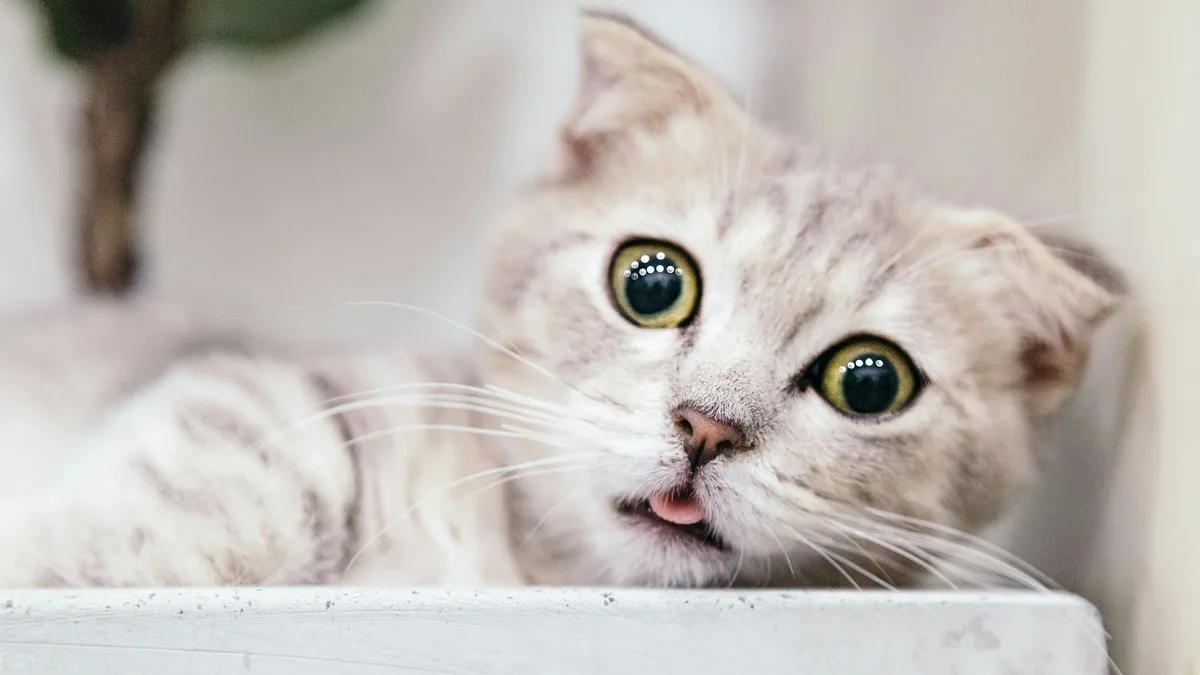
Despite the reputation of ‘pspsps’ as a near-universal cat call, the article cautions that not every feline will respond. Cats have individual preferences, experiences, and associations with sounds. Some may swivel their ears immediately, while others may glance over or ignore the noise altogether. The article emphasizes that this selective response illustrates how a seemingly meaningless string of sounds can sometimes elicit an immediate reaction.
The phenomenon may ultimately be a combination of feline hearing, instincts, learned associations, and natural curiosity. The article concludes that, like most things about cats, there is always more going on under the surface.