Vet Advises Check-up for Senior Cat's Recurring Mouth Ulcers
Dr. Paola Cuevas advises a full veterinary exam for a 15-year-old cat whose rodent ulcers have returned, warning that lethargy may signal pain beyond the
A veterinarian is urging a cat owner to seek a comprehensive check-up for her 15-year-old feline, Sonny, who is showing signs of pain despite a history of treated mouth ulcers. Dr. Paola Cuevas, MVZ, responded to a reader's question in the "Ask Dr. Paola" series on Catster, advising that the cat's change in behavior is a critical sign that warrants investigation beyond previous treatments.
Sonny has dealt with rodent ulcers, also known as indolent or eosinophilic ulcers, for several years. His owner, Mary Hellen, reported that steroid injections and a daily supplement called Nutra Thrive had helped for a time, but the problem has now returned. While Sonny still eats, he has become lethargic and appears to be in discomfort.
Understanding Rodent Ulcers
Dr. Paola explains that these ulcers are part of the feline eosinophilic granuloma complex, typically linked to hypersensitivity reactions. She notes they are often not intensely painful on their own. "Think of the ulcer as the smoke rather than the fire," she writes, emphasizing that while treating the visible lesion helps, identifying the underlying cause of inflammation is key to preventing recurrence.
The veterinarian cautions against assuming the ulcer explains Sonny's current condition. His advanced age and the shifting nature of the problem after years of management mean other issues could be at play.
Recommended Veterinary Steps
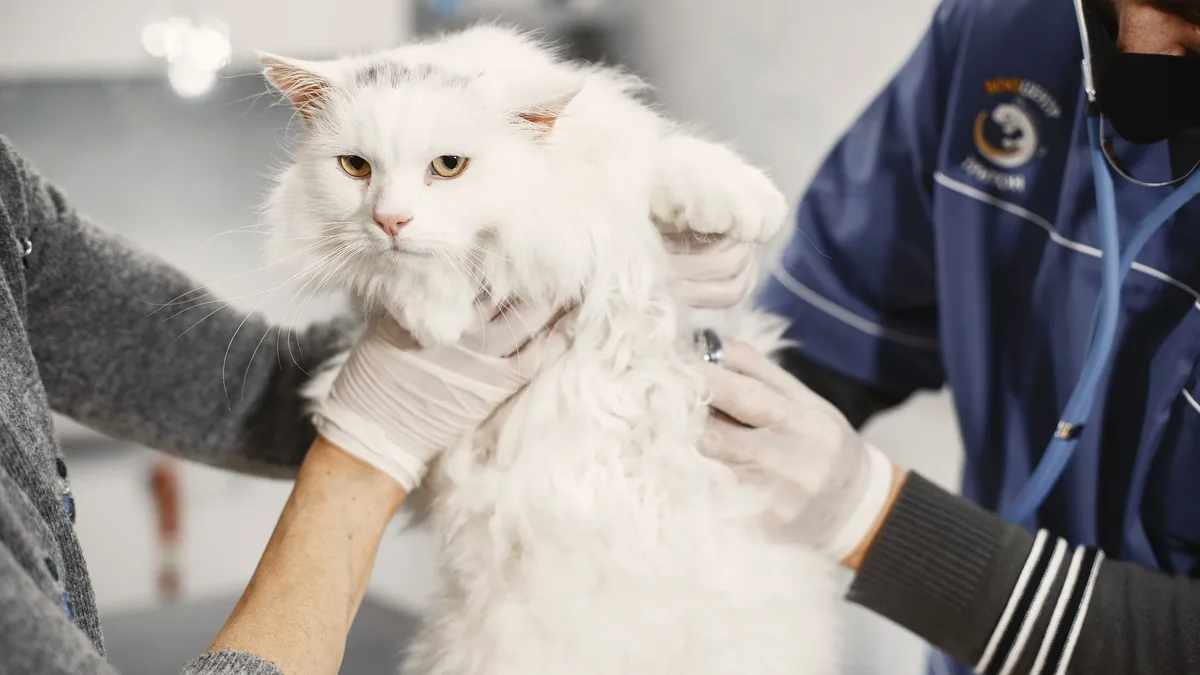
Dr. Paola recommends a prompt veterinary examination, including a careful oral evaluation potentially under sedation. The goal is to rule out other painful conditions that could mimic or accompany an eosinophilic ulcer.
She lists several possibilities a vet should check for:
Persistent or unusual ulcers may also require a biopsy, as different diseases can look similar. Dr. Paola adds that previous corticosteroid injections, while commonly effective for eosinophilic lesions, need careful consideration in a senior cat due to changing risks and benefits with age.
Investigating Underlying Triggers
Part of the long-term management involves searching for what triggers the hypersensitivity reaction. Dr. Paola highlights two primary areas for investigation. First is implementing strict flea control, as flea allergies are a common culprit. Second is conducting a properly managed dietary elimination trial to identify potential food allergies.
She stresses that supplements alone are not sufficient for a cat in Sonny's situation. While his continued appetite is positive, cats are known for hiding pain. A change in behavior, like becoming quiet and withdrawn, can be a major indicator of suffering.
Next Steps for Senior Cat Care
The sensible course, according to Dr. Paola, is a senior-cat examination. This should include an oral evaluation, appropriate bloodwork, and a discussion about whether dental radiographs or a biopsy are needed. This approach prioritizes assessing Sonny's overall health and oral pain rather than solely focusing on the visible ulcer. The advice concludes with the veterinarian's recommendation to act on the behavioral changes observed by the concerned owner.