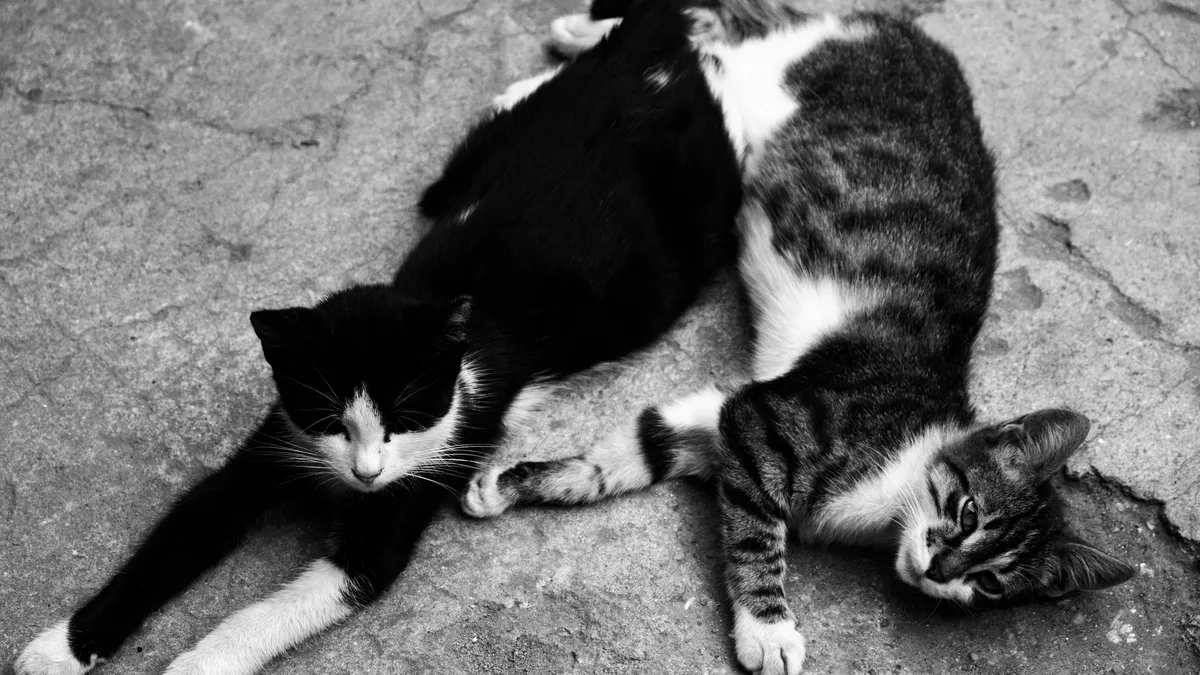
Study Reveals Smoother-Than-Expected Transition for Outdoor Cats Moving Indoors
New research from the University of Adelaide challenges the notion that transitioning outdoor cats to indoor living is difficult. The study found that nearly 70% of owners reported a smoother transition than expected, with most cats adjusting within weeks. Key factors included environmental enrichment and owner patience, while safety concerns were the primary motivation for the change.
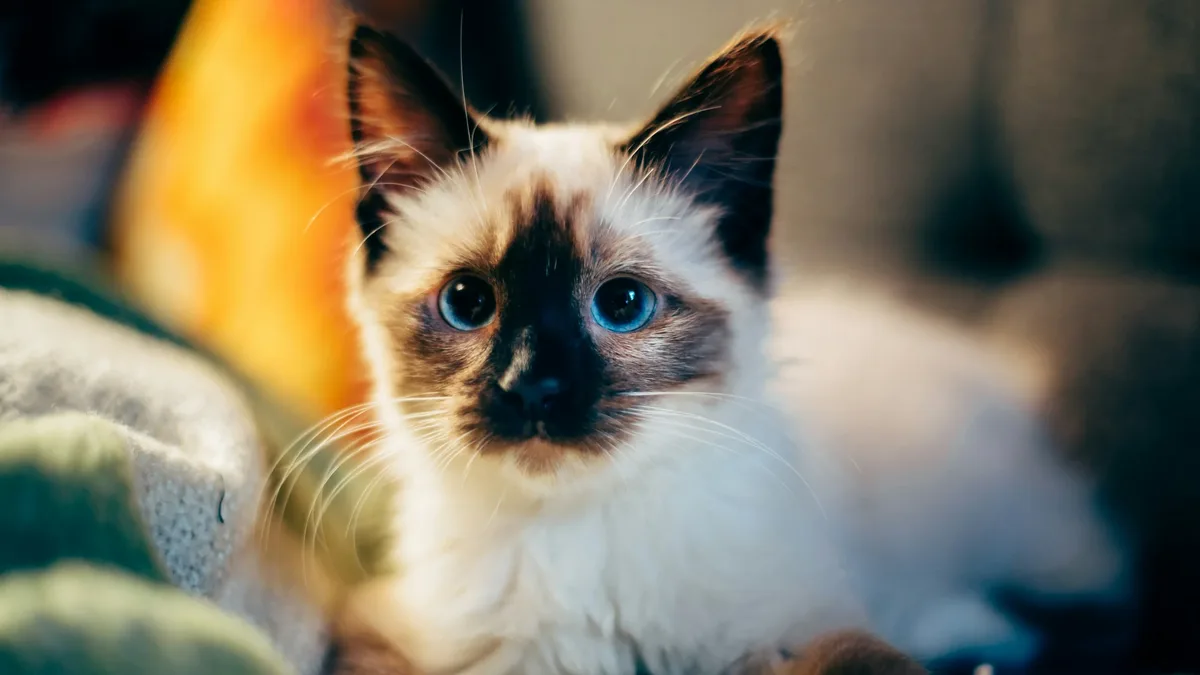
A recent study from the University of Adelaide offers reassurance to cat owners considering bringing their outdoor cats indoors. The research, published in *Applied Animal Behaviour Science*, found that nearly 70% of owners reported the transition was easier than anticipated, with three-quarters planning to keep future cats indoors exclusively. This challenges the common belief that cats cannot adapt to indoor living or that the process is fraught with behavioral issues.
## Transition Easier Than Expected
The study revealed that most cats adjusted to indoor life more smoothly than their owners had feared. While some initial friction was expected, particularly in the first few weeks, the majority of owners found the difficulty temporary and the long-term benefits worthwhile. Safety was the top reason for making the switch, cited by 77% of participants, with concerns for local wildlife and household moves also playing a role.
Interestingly, nearly half of the transitions were unplanned, often due to sudden events like medical diagnoses, safety scares, or unexpected moves. Despite the lack of preparation, these cases still resulted in a smoother transition than many owners had anticipated.
## Factors Influencing Adjustment
The study highlighted several factors that influenced how well cats adapted to indoor living:
| Factor | Impact | |---|---| | Age | Cats moved indoors before their second birthday adjusted faster than older cats. | | Environmental Enrichment | Vertical space, scratching posts, food puzzles, and play sessions helped ease the transition. | | Partial Outdoor Access | Cats with partial outdoor access were less likely to fully adjust. | | Duration Indoors | Cats living indoors for over a year showed higher owner-perceived happiness. |
While 40% of cats settled in almost immediately, about a quarter needed a few weeks, and 13% still hadn’t fully adjusted by the time of the survey. However, owner-perceived happiness was significantly higher in cats that had been indoors for over a year.
## Supporting Owners Through the Transition
The study emphasized the importance of supporting both the cat and the owner during the transition. Dr. Susan Hazel, a co-author of the study, noted that reassuring owners about the temporary nature of initial difficulties was crucial. Basic environmental enrichment, such as climbing shelves and dedicated play sessions, played a significant role in easing the transition.
Owners also reported lingering guilt about taking away their cat’s outdoor freedom, even as most observed minimal lasting behavioral changes. The study suggests that this guilt is often unfounded, as the data shows that most cats adapt well to indoor living with the right support and environment.
## Long-Term Benefits
The long-term benefits of indoor living for cats are well-documented, including longer lifespans and lower rates of illness and injury. The study’s findings provide further evidence that, with appropriate exercise, company, and environmental enrichment, indoor cats can enjoy an excellent quality of life. While the initial transition may require some adjustments, the payoff in terms of safety and well-being is significant.
As veterinarians, the gradual transition is still recommended when possible, but the study offers reassurance to owners who may need to make the change suddenly. The key takeaway is that with patience, environmental enrichment, and support, most cats can successfully adapt to indoor living.